Showing 40 of 57 results for 2011-2026=

What is work-related health?

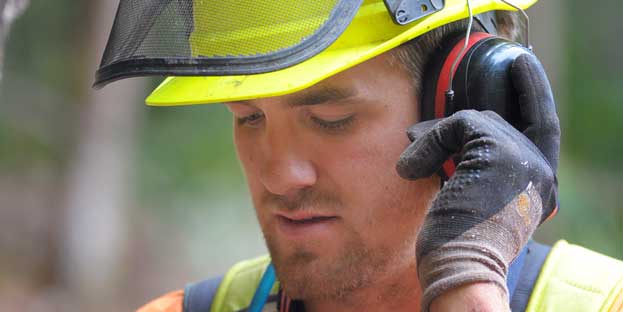
Work-related health is about the impact work can have on people’s health. In the past, we've called it occupational health

What is work-related health?

Our diversity, equity, inclusion, and belonging (DEIB) approach (PDF 1.1 MB)

TYPE:   Report
TOPIC:   Corporate

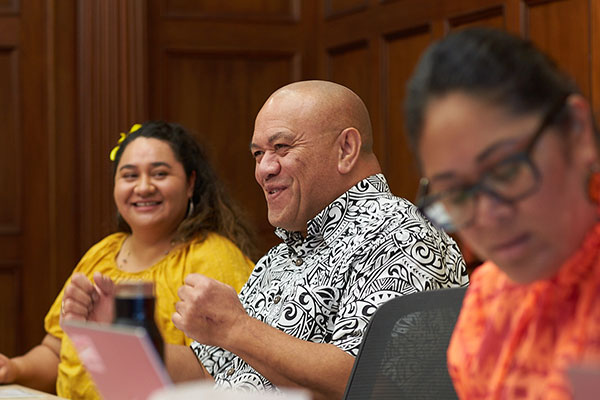
At WorkSafe, we’re committed to leading the way in creating an inclusive workplace where everyone feels valued, respected, and safe. We want to build a positive and inclusive workplace culture because how people feel at work shapes how they show up every day. As New Zealand’s health and safety regulator, we take that responsibility seriously.

ISBN:  
978-1-99-105759-4
 

Tank wagon record (XLSM 489 KB)

TYPE:   Register
TOPIC:   Hazardous substances

The tank wagon record contains information about tank wagons, transportable containers, and tank wagon fabricators that have been allocated a record number.

 
Related pages:  

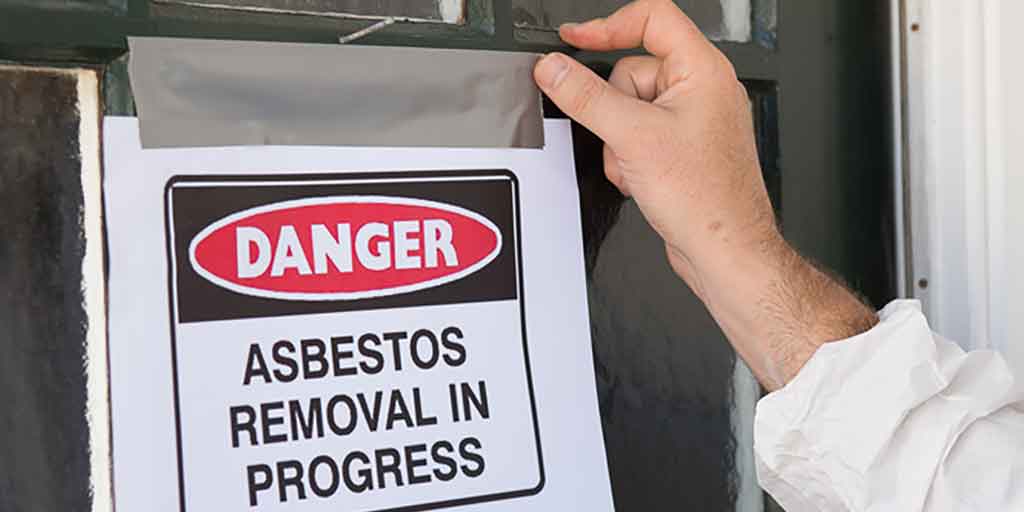
Management and removal of asbestos

This Approved Code of Practice sets out WorkSafe New Zealand’s (WorkSafe) expectations about how to comply with asbestos health and safety law, including the Health and Safety at Work (Asbestos) Regulations 2016.

Management and removal of asbestos

Titles of advice to the Minister for Workplace Relations and Safety

We are proactively releasing the titles of briefing, reports, and aides-memoire sent to the office of the Minister for Workplace Relations and Safety.

Titles of advice to the Minister for Workplace Relations and Safety

Controlled substance licences

You will require a controlled substance licence (CSL) to possess certain explosives, vertebrate toxic agents or fumigants.

Two new draft codes of practice in agriculture

We are developing draft content for two approved codes of practice (ACOPs) in agriculture.

Two new draft codes of practice in agriculture

We have updated our asbestos guidance

With input from industry, WorkSafe has redeveloped and updated our asbestos-related guidance.

We have updated our asbestos guidance

Our diversity, equity, inclusion, and belonging (DEIB) approach

Our vision is everyone who goes to work comes home healthy and safe. Achieving this requires a workplace culture where we value diverse perspectives and work to create an environment where everyone feels they belong.

Our diversity, equity, inclusion, and belonging (DEIB) approach

Publications

Read our high hazards industry publications, including our latest year in review.

Publications

Relationship agreements

WorkSafe New Zealand has formalised its relationships with a number of relevant government agencies through written agreements, such as memoranda of understanding (MOUs).

Relationship agreements

Quarterly reports

Our quarterly reports to the Minister for Workplace Relations and Safety detail progress against our performance framework and key priorities

Quarterly reports

1080 annual reporting

You must provide an annual report to us if, at any time in a year, sodium fluoroacetate (1080) is present in your workplace, including if your workplace is a laboratory. The report must be provided by 31 March for the preceding calendar year.

1080 annual reporting

Methyl bromide fumigations annual monitoring report

You must provide an annual monitoring report to WorkSafe if methyl bromide was used in quantities great than 500 kg at your work site. The report must be provided by 30 June for the preceding calendar year.

Certification requirements for gas appliances

Gas appliances and specified fittings must be certified by a recognised certification body or certification regime before they can be offered for sale in New Zealand

Low and extra low voltage electrical installations

Electrical installations at low and extra low voltages need to be designed and installed in a way that ensures they will be safe to use. There are processes surrounding design, construction, certification, inspection, connection and periodic verification to make sure safety is maintained throughout the life of the installation.

Low and extra low voltage electrical installations

Our prosecution process

This page explains the process – from starting a prosecution to publishing court outcomes.

Our prosecution process

Gas regulations

The Gas (Safety and Measurement) Regulations 2010 prescribe the general rules and requirements about safety

Gas regulations

Electricity (Safety) Regulations 2010

These Regulations do the following:
Gather together and state the generic rules and requirements about electrical safety, and what is deemed to be electrically safe and electrically unsafe
Deal with the design, construction and use of works…

How we investigate

This policy sets out our approach to investigating work health and safety and energy safety issues.

How we investigate

Development of the New Zealand risk assessment of pushing and pulling (NZRAPP)

This report outlines the development process of the New Zealand risk assessment of pushing and pulling (NZRAPP). It provides a record of the logic behind why specific changes to the HSE tools were made.

Development of the New Zealand risk assessment of pushing and pulling (NZRAPP)

Where we focus our effort: priority plans

Our priority plans bring our strategy to life by describing how we will deliver our role as Aotearoa New Zealand’s primary work health and safety regulator.

Where we focus our effort: priority plans

Who we are

Find out more about who we are and what we do and meet our Board and our leadership team.

Who we are

Electricity and gas gazette notices

Electricity and gas gazette notices that have been formally issued establishing prohibitions, declared articles and other regulatory instruments under the provisions of Acts and Regulations

Electricity and gas gazette notices

Regulations at a glance

The Health and Safety at Work Act Regulations are intended to support businesses to understand what they need to do to comply with the general duties of the Act.

Regulations at a glance

Showing 40 of 57 results for 2011-2026=