Asbestos
Find out more about managing and working with asbestos.
A to Z topics and industries > Asbestos
Showing 40 of 2828 results for asbestos mat
Find out more about managing and working with asbestos.
A to Z topics and industries > Asbestos
This Approved Code of Practice sets out WorkSafe New Zealand’s (WorkSafe) expectations about how to comply with asbestos health and safety law, including the Health and Safety at Work (Asbestos) Regulations 2016.
A to Z topics and industries > Asbestos > Management and removal of asbestos
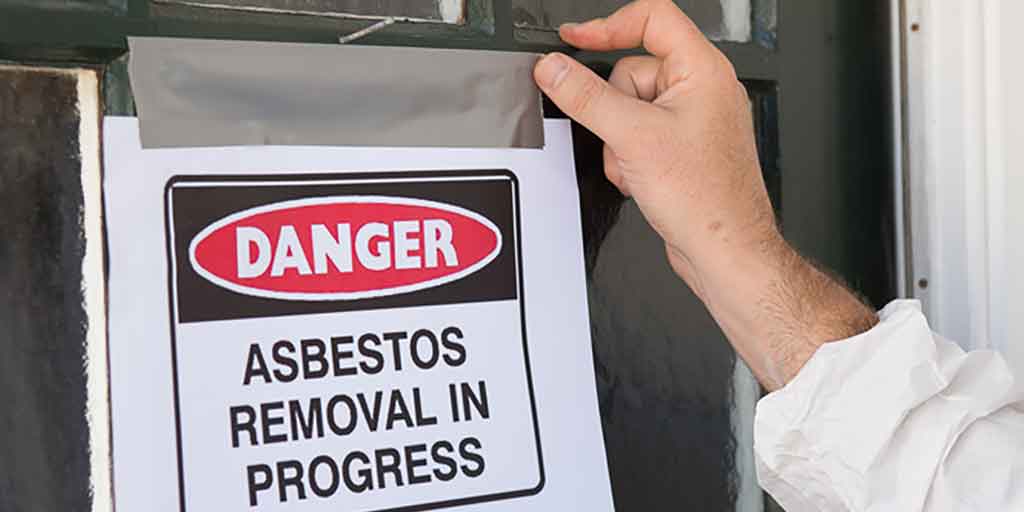
A laboratory can request approval from WorkSafe to analyse samples for the presence of asbestos or asbestos-containing material (ACM) for up to 12 months while undergoing accreditation by International Accreditation New Zealand (IANZ).
A to Z topics and industries > Asbestos > Working with asbestos > Laboratory accreditation process

Guidance for businesses, commercial and residential landlords, body corporates, and information on asbestos management plans.
A to Z topics and industries > Asbestos > Managing asbestos in your building or workplace – for PCBUs

Access the latest guidance on working with asbestos. You can also find information on duties relating to work involving asbestos – licensed and unlicensed.
A to Z topics and industries > Asbestos > Working with asbestos
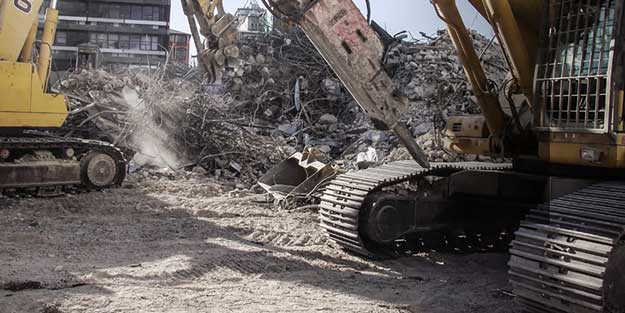
Asbestos poses a significant health risk for tradespeople, which is why we have launched four new guides designed to help plumbers, builders, electricians and painters quickly understand their responsibilities and manage the risks when working with or near asbestos.
A to Z topics and industries > Asbestos > Working with asbestos > Asbestos quick guides for tradespeople

Find out where and how to safely dispose of asbestos containing material.
A to Z topics and industries > Asbestos > Where to dispose of asbestos

On 30 June 2025, WorkSafe was notified of a potential health risk involving imported materials, which may contain asbestos, used in the production of fire safety doors.
A to Z topics and industries > Asbestos > Fire safety doors response

Find out whether you'll need a licence under the asbestos removal licence system and how to go about applying for one.
A to Z topics and industries > Asbestos > Asbestos licensing
Any businesses applying for a Class A asbestos removal licence must have a certified safety management system in place by 4 April 2018.
A to Z topics and industries > Asbestos > Asbestos licensing > Certification of safety management systems

This Approved Code of Practice sets out WorkSafe New Zealand’s (WorkSafe) expectations about how to comply with asbestos health and safety law, including the Health and Safety at Work (Asbestos) Regulations 2016.

This policy clarification explains our view of the duty to indicate the presence and location of asbestos and asbestos-containing material (ACM) in the workplace. It includes situations in which asbestos and ACM are assumed to be present.
A to Z topics and industries > Asbestos > Policy clarification: Meeting the duty to indicate the presence and location of asbestos at work
This policy clarification explains our view of the duty to indicate the presence and location of asbestos and asbestos-containing material (ACM) in the workplace.
Laws and regulations > Operational policy framework > Operational policies > Policy clarification: Meeting the duty to indicate the presence and location of asbestos at work
Anyone who works on the fabric of a building may be at risk of disturbing asbestos.
A to Z topics and industries > Asbestos > Working with asbestos > What you should know about working with asbestos
When homes and other buildings containing asbestos are damaged during floods, the asbestos-containing materials can become eroded, disturbed, broken, or friable.
A to Z topics and industries > Natural events and emergencies > Asbestos safety after a natural event or emergency

These A3 posters show where asbestos can be found in New Zealand industrial buildings and residential houses.
A to Z topics and industries > Asbestos > Working with asbestos > Where asbestos can be found
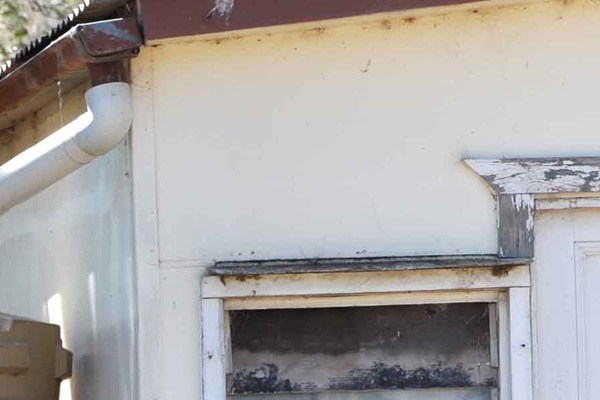
This guidance is for anyone interested in the history of asbestos in New Zealand and the diseases it can cause.
A to Z topics and industries > Asbestos > Asbestos in Aotearoa New Zealand
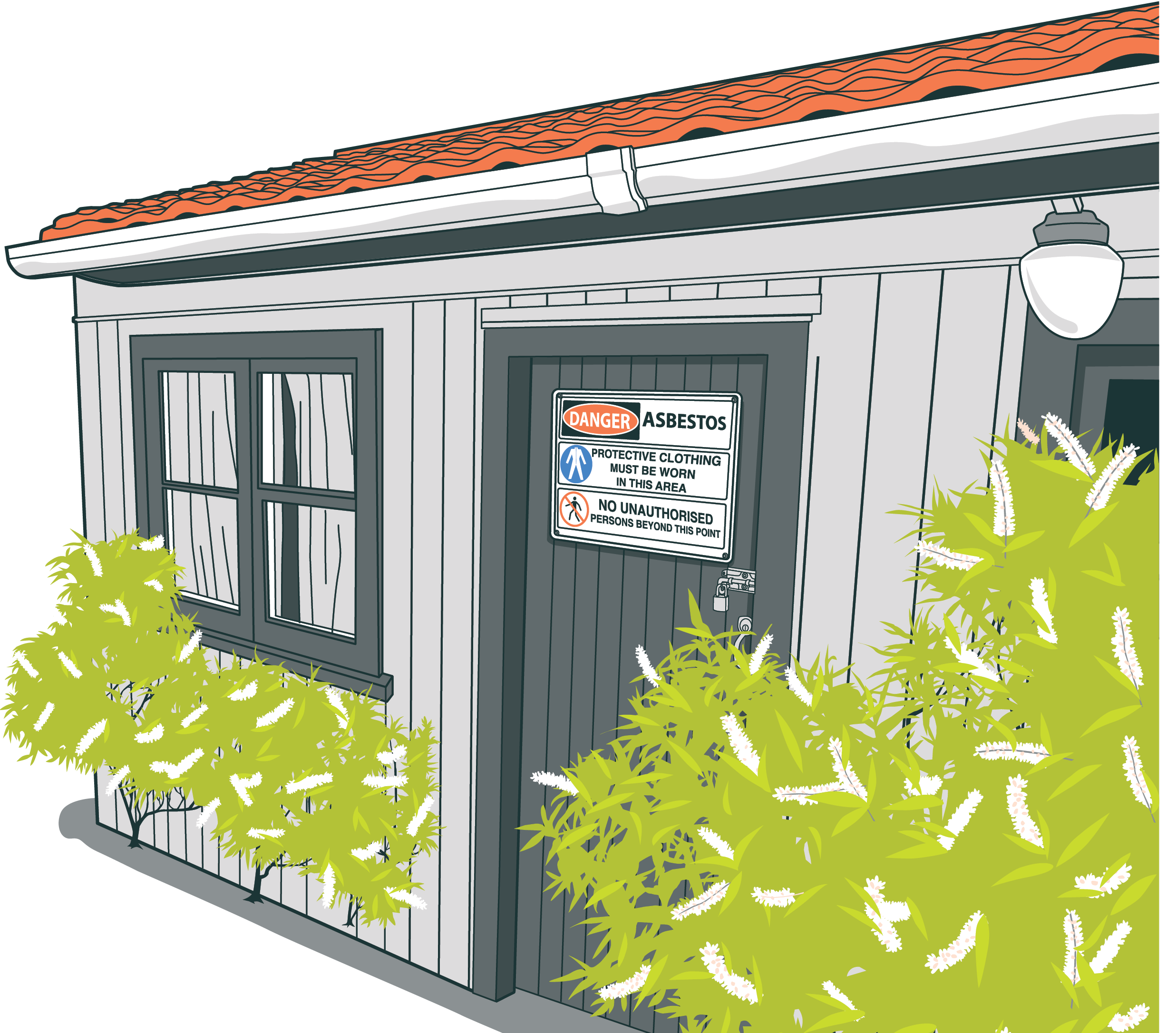
This information provides advice about what homeowners or residential tenants should do if they think there could be asbestos in their home or on their property.
A to Z topics and industries > Asbestos > Asbestos in the home
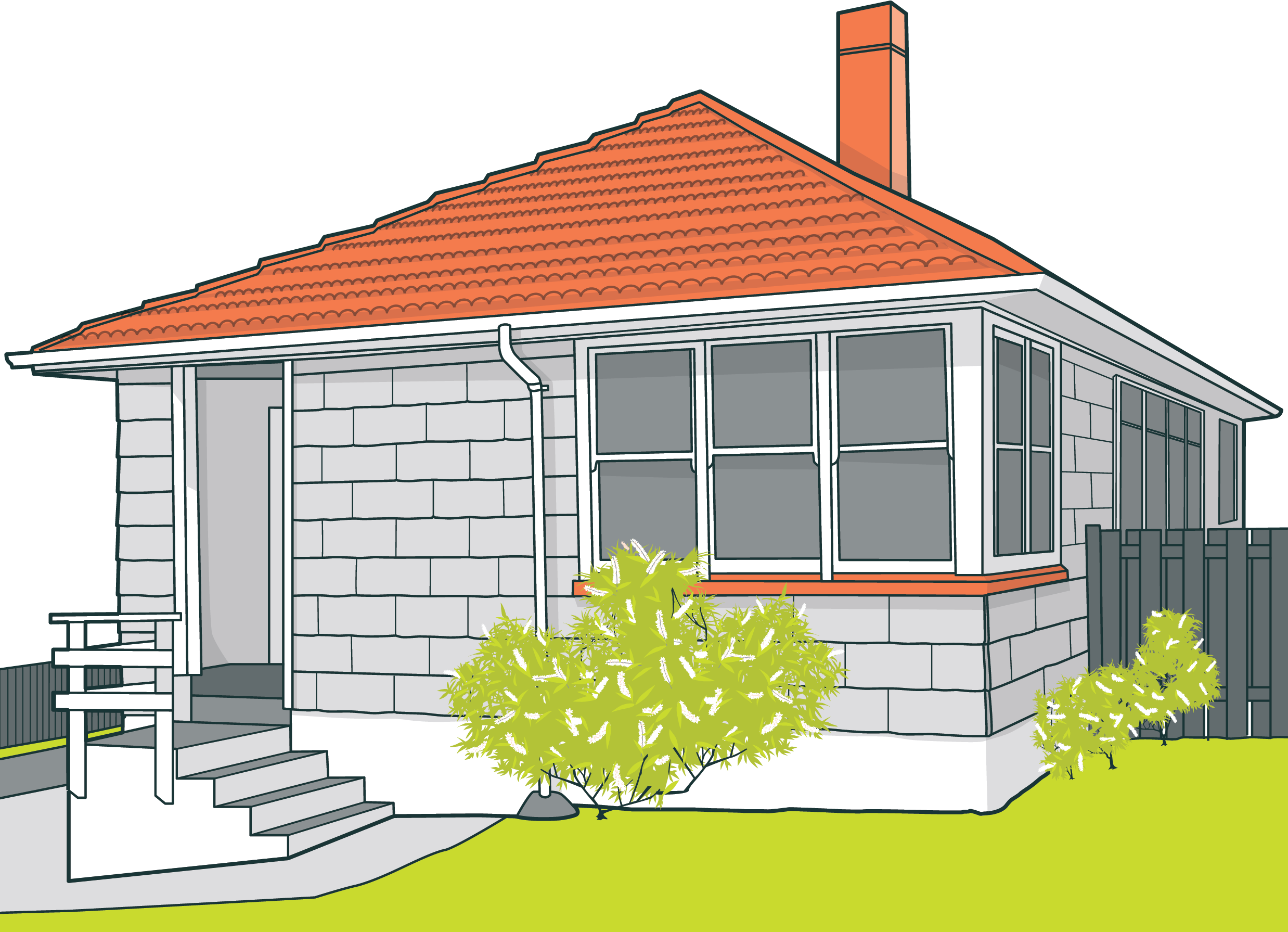
This guidance provides information about personal protective equipment (PPE) for working with or near asbestos.
A to Z topics and industries > Asbestos > Protective clothing and equipment for working with or near asbestos
This policy sets out how we use our authority to approve methods for managing the risk associated with asbestos at workplaces and how we treat these methods once approved.
Laws and regulations > Operational policy framework > Operational policies > How we approve methods for working with asbestos
Good practice advice for how to plan, carry out, and report the results of an asbestos survey.
A to Z topics and industries > Asbestos > Conducting asbestos surveys: Guidance for asbestos surveyors
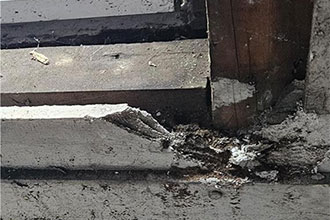
Frequently asked questions about working with asbestos.
A to Z topics and industries > Asbestos > Working with asbestos > Frequently asked questions about asbestos
Training is an important part of the asbestos licensing system. In order to hold the right licence, workers in Class A and B, Supervisors and Assessors need to receive relevant training.
A to Z topics and industries > Asbestos > Working with asbestos > Training for asbestos workers
This policy clarification sets out when residential landlords have a duty to identify asbestos and prepare an asbestos management plan.
Laws and regulations > Operational policy framework > Operational policies > What residential landlords need to do to manage asbestos
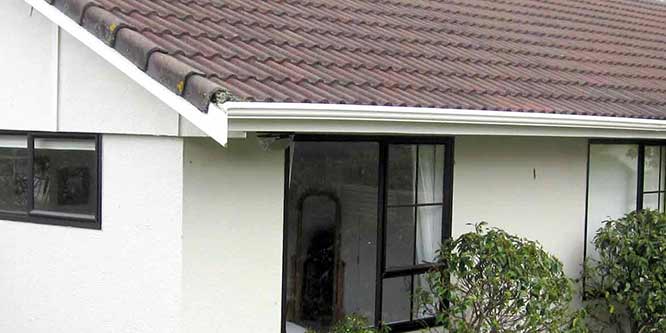
Everything you need to know about the asbestos licensing system, including licences for asbestos removal and for licensed assessors
A to Z topics and industries > Asbestos > Asbestos licensing > Licensing overview
We have clarified our view of what good practice looks like with regard to sections 6.4, 16.5 and 16.6 of WorkSafe's 'Management and removal of asbestos' approved code of practice (ACOP). These clarifications will be consulted on during the review/update of the Asbestos ACOP.
A to Z topics and industries > Asbestos > Management and removal of asbestos > Clarifications on WorkSafe's approved code of practice - Management and removal of asbestos
Information to help you understand more about asbestos including where to asbestos can be found, what asbestos is and why it's dangerous to your health, and how to use respirators correctly.
A to Z topics and industries > Asbestos > Working with asbestos > Asbestos tools and resources

Approved methods provide for work involving asbestos to be carried out that would otherwise be prohibited by Regulations
A to Z topics and industries > Asbestos > Working with asbestos > Asbestos approved methods
Operational policies provide the detail of the activities that contribute to programmes and overall interventions (including degrees of discretion etc) that achieve the objective of the legislation. They provide context and parameters to support discretionary decision making
Laws and regulations > Operational policy framework > Operational policies

Businesses and organisations need to manage risks to make sure working conditions are safe in areas affected by natural events and emergencies.
A to Z topics and industries > Natural events and emergencies
This quick guide is for persons conducting a business or undertaking (PCBU). It explains some factors to consider when managing risks from poor quality air in mobile plant cabins, fixed plant control rooms, and enclosed truck cabins.
A to Z topics and industries > Vehicles and mobile plant > Maintaining air quality in enclosed cabins – for PCBUs
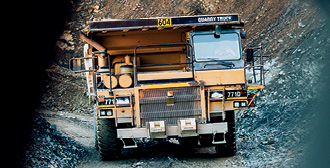
This quick guide is for mobile plant and fixed plant control room operators and certain truck drivers. It explains some factors to consider when managing risks from poor quality air in enclosed cabins.
A to Z topics and industries > Vehicles and mobile plant > Maintaining air quality in enclosed cabins – for workers

WorkSafe is providing this information in relation to the presence of asbestos in certain fire safety doors. WorkSafe was notified of a potential health risk involving imported materials, which may contain asbestos, used in the production of fire safety doors.
WorkSafe is aware of some businesses making incorrect assumptions about the presence or absence of asbestos containing materials in buildings damaged as a result of the Auckland flooding and Cyclone Gabrielle.
WorkSafe is aware of some insurance companies making incorrect assumptions about the presence or absence of asbestos containing materials in buildings damaged as a result of the Auckland flooding and Cyclone Gabrielle.
This policy clarification explains our view of the duty to indicate the presence and location of asbestos and asbestos-containing material (ACM) in the workplace. It includes situations in which asbestos and ACM are assumed to be present.
This fact sheet outlines the hazards and risks present when working with asbestos-containing materials
Answers to questions about obtaining a certified safety management system under the Health and Safety at Work (Asbestos) Regulations 2016
A to Z topics and industries > Asbestos > Asbestos licensing > Asbestos certified safety management system FAQs
Asbestos can be located in a variety of places in a commercial building. As it’s a fire-resistant and hard-wearing material, it is commonly found in places that may get hot or wet.
Showing 40 of 2828 results for asbestos mat