Showing 40 of 281 results for Guidelines

Guidelines for safe electric vehicle charging

As the number of electric vehicles on the roads increases, so too does the infrastructure needed to charge them and keep them safe. We have created guidelines to ensure electric vehicle supply equipment (EVSE) is installed safely and in line with regulations.

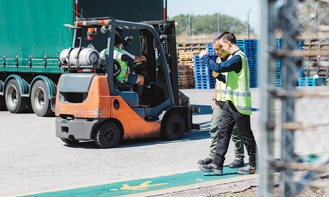
Managing work site traffic – Good practice guidelines

This guide provides practical advice on ways to identify and control the health and safety risks associated with work site traffic.

Managing work site traffic – Good practice guidelines

1.0 About these guidelines

Occupational diving guidelines

Guidelines for people wishing to be an occupational diver.

Occupational diving guidelines

Continuing professional development guidelines for extractives (PDF 3.3 MB)

TYPE:   Guide

WorkSafe New Zealand and the New Zealand Mining Board of Examiners is responsible for the requirements for continuing professional development for certificate of competence (CoC) holders. These are set out in a Safe Work Instrument. CoC holders are required to meet these requirements, keep a record of their continuing professional development and submit these records to renew their CoC after five years. These guidelines will help CoC holders understand how to meet and record their requirements.

ISBN:  
978-1-99-105710-5 (print) 978-1-99-105710-5 (online)
 

Social media community guidelines

WorkSafe’s mahi serves all people in Aotearoa New Zealand. Everyone deserves to feel healthy and safe at work, home and within their communities. This includes on WorkSafe’s social media pages.

1.0 About these guidelines

Guidelines for the management of lead-based paint (PDF 804 KB)

TYPE:   Guide
TOPIC:   Chemicals, Hazardous substances, Work-related health

This guideline refers to lead notification and suspension levels as specified in the medical guideline "Guidelines for the Medical Surveillance of Lead Workers" (1994). Please note that the suspension levels for lead were revised in 2010. Further information can be found here.

ISBN:  
978-0-478-19281-0 (print) 978-0-478-19282-7 (onlin
 
Related pages:  

Guidelines for the safety of staff from the threat of robbery (PDF 220 KB)

TYPE:   Guide
TOPIC:   Violence

These guidelines have been developed to assist business owners and managers to provide a safer workplace. They offer information to businesses at risk from robbery on how to conduct oneself during an armed robbery and putting in place clear policies and procedures. In this guideline you will find: •Practical guidance in devising policies and procedures to deter potential robbers; and •Advice on how to minimise the effects of a robbery on staff.

ISBN:  
0-477-03562-0
 

Best practice guidelines for working at height in New Zealand (PDF 1.7 MB)

TYPE:   Good practice guide
TOPIC:   Working at height, Working at height - ladders, Working at height - scaffolding, Working at height - roofs

Preventing falls from height is a priority for WorkSafe NZ and must be actively managed so that people are not harmed. This good practice guide outlines how to effectively assess, manage and control hazards when working at height.

ISBN:  
978-0-478-40188-2 (online)
 

Electric vehicle charging safety guidelines - 2nd edition (PDF 182 KB)

TYPE:   Guide
TOPIC:   Electricity, Vehicles

These guidelines provide guidance for the safe design, specification, supply, installation and operation of EVSE for electric vehicles consistent with New Zealand’s electricity supply systems and infrastructure. They are intended to assist suppliers, installers and users of EVSE to meet fundamental safety requirements consistent with the Electricity (Safety) Regulations 2010 (ESR). These guidelines are intended to be read in conjunction with the ESR and do not remove any obligation to comply with those regulations or any other legislation.

Electric vehicle charging safety guidelines - Part 1: Safety fundamentals (PDF 80 KB)

TYPE:   Guide
TOPIC:   Electricity

These guidelines provide guidance for the safe design, specification, supply, installation, and operation of electric vehicle supply equipment (EVSE) consistent with New Zealand’s systems and infrastructure. They are intended to enable suppliers, installers and users to comply with the fundamental safety requirements of the Electricity (Safety) Regulations 2010.

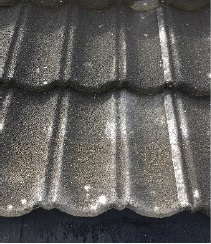
Working on roofs - good practice guidelines

This good practice guide will provide practical guidance to employers, contractors, employees and all others engaged in work associated with working on roofs.

Keeping volunteers healthy and safe

These guidelines provide practical advice for organisations on how to keep volunteers healthy and safe at work.

Keeping volunteers healthy and safe

Health and safety at opencast mines, alluvial mines and quarries

These good practice guidelines give practical advice on health and safety control measures at opencast mines, alluvial mines and quarries.

Health and safety at opencast mines, alluvial mines and quarries

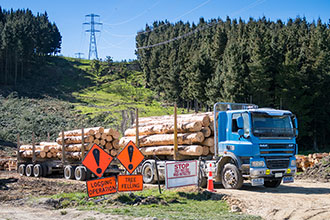
Health and safety when managing a small forest harvest

These good practice guidelines provide owners of small forests with practical guidance on health and safety when managing a harvest.

Health and safety when managing a small forest harvest

General requirements for workplaces

There are certain health and safety requirements for workplaces that all persons conducting a business or undertaking (PCBU) must meet.

General requirements for workplaces

Scaffolding in New Zealand

Advice on the safe design, use, and maintenance of scaffolding.

Scaffolding in New Zealand

Showing 40 of 281 results for Guidelines