Showing 40 of 452 results for 4910 nzs

Regulatory application of AS/NZS 4777 - Grid connection of energy systems via inverters

WorkSafe has been asked to advise on the application of AS/NZS 4777.2:2015 Grid connection of energy systems via inverters - Part 2: Inverter requirements as it applies to the supply and installation of inverters in photo-voltaic installations. Specifically, when do the requirements of the latest version of this Standard apply?

Second-hand appliances

All second-hand electrical appliances sold in New Zealand must be electrically safe. A second-hand electrical appliance cannot be sold or used unless it meets certain fundamental safety requirements.

Second-hand appliances

Titles of advice to the Minister for Workplace Relations and Safety

We are proactively releasing the titles of briefing, reports, and aides-memoire sent to the office of the Minister for Workplace Relations and Safety.

Titles of advice to the Minister for Workplace Relations and Safety

Validity of compliance certificate for stationary container system

This regulatory clarification explains how to apply Regulation 17.92(1) when determining the validity period for a stationary container system compliance certificate.

Validity of compliance certificate for stationary container system

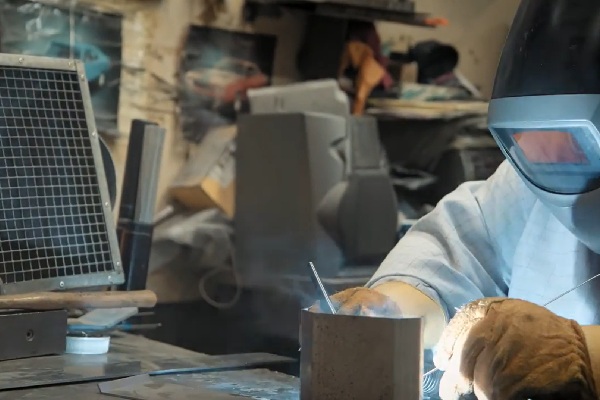
Health and safety in welding

Guidance covering a range of topics including training and qualifications, fire and explosion prevention, local exhaust ventilation, and noise and vibration

Health and safety in welding

The use of hardwood for chlorine drum cradle feet

This regulatory clarification confirms that hardwood can be used for the feet of chlorine drum cradles.

The use of hardwood for chlorine drum cradle feet

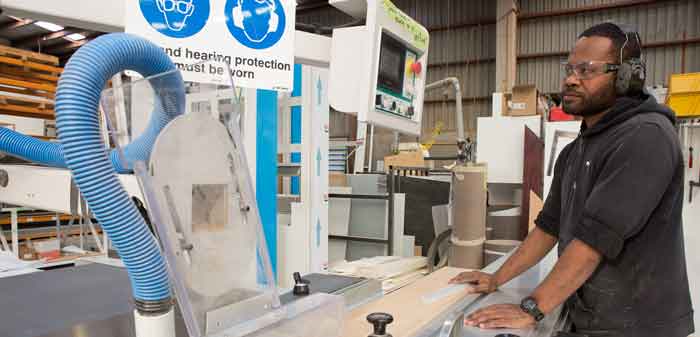
Safe use of machinery

These guidelines outline the hazards that come with using machinery in the workplace, potential injuries and how best to control these hazards

Safe use of machinery

Certification requirements for gas appliances

Gas appliances and specified fittings must be certified by a recognised certification body or certification regime before they can be offered for sale in New Zealand

Low and extra low voltage electrical installations

Electrical installations at low and extra low voltages need to be designed and installed in a way that ensures they will be safe to use. There are processes surrounding design, construction, certification, inspection, connection and periodic verification to make sure safety is maintained throughout the life of the installation.

Low and extra low voltage electrical installations

Authorisation as a compliance certifier

A compliance certifier is someone authorised by WorkSafe to issue compliance certificates.

Electricity (Safety) Regulations 2010

These Regulations do the following:
Gather together and state the generic rules and requirements about electrical safety, and what is deemed to be electrically safe and electrically unsafe
Deal with the design, construction and use of works…

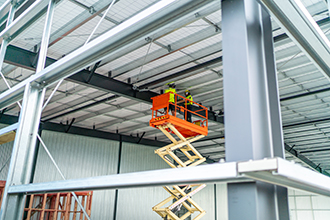
Mobile elevating work platforms

This good practice guideline outlines requirements when working with mobile elevating work platforms.

Mobile elevating work platforms

SafePlus self-assessment resources

You can use these resources to do regular self-assessments of your business's health and safety environment to identify what's working well and areas you can improve.

SafePlus self-assessment resources

Separation distances for transportable containers (classes 6 and 8)

What separation distances to protected places are required for transportable containers holding class 6.1A, 6.1B, 6.1C, 8.2A or 8.2B substances.

Separation distances for transportable containers (classes 6 and 8)

Keeping your service station compliant with the hazardous substances regulations

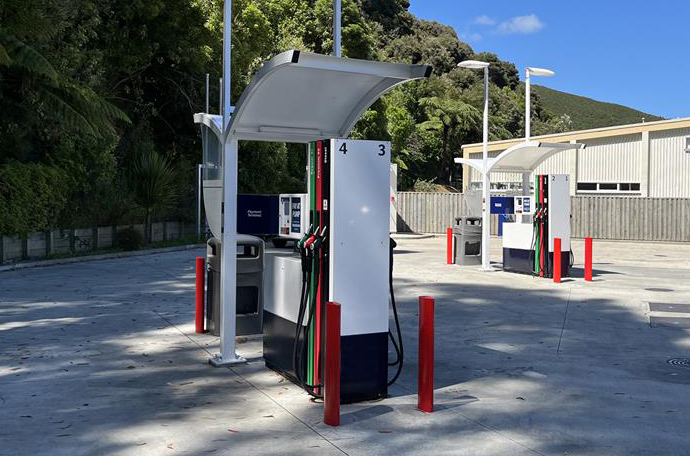
This guide will help you understand how to comply with the regulations for hazardous substances at your service station. It will also help you or your staff prepare for your compliance certifier’s visit to issue your site with the necessary compliance certificates.

Keeping your service station compliant with the hazardous substances regulations

Pipelines - Safe Work Instrument

This is the Health and Safety in Employment (Pipelines - Design, Construction, Operation, Maintenance, Suspension, and Abandonment Requirements) Safe Work Instrument 2023.

Pipelines - Safe Work Instrument

Applying the workplace exposure standards

How to apply the workplace exposure standards (WES).

Applying the workplace exposure standards

Silica dust in the workplace

This guidance advises PCBUs of the risks of respirable crystalline silica dust and how to control them and protect their workers.

Silica dust in the workplace

Ports

Port environments can be loud and busy places. Workers and all other persons engaged in, or in the vicinity of, port operations need to be aware of health and safety risks present while carrying out their work.

Design and construction

General installations include all installations other than those in caravans and boats. Any person who designs, installs, commissions or tests a gas installation or part of an installation must do so in accordance with AS/NZS 5601.1.The mandatory…

Scaffolding in New Zealand

Advice on the safe design, use, and maintenance of scaffolding.

Scaffolding in New Zealand

Information for existing asbestos licence holders

How to inform us of any changes to your information, apply for a replacement or to surrender your license

Safe work with precast concrete

These guidelines offer advice on the safe handling, transportation and erection of precast concrete elements.

Safe work with precast concrete

Electrical equipment safety in aged care and similar facilities

WorkSafe provides this guidance in response to requests from the Aged Care sector for clarification around the provisions of Regulation 26 of the Electricity (Safety) Regulations (ESRs) as it applies to equipment located in aged care units and similar facilities.

Electrical equipment safety in aged care and similar facilities

Electrical safety on small construction sites

This guide provides information about electrical supply and safety on small construction sites. It is for a person conducting a business or undertaking (PCBU) who manages or controls a small construction site.

Electrical safety on small construction sites

Health and safety duties for businesses that import and supply PPE

Importers and suppliers of PPE can eliminate or minimise health and safety risks by ensuring their PPE is safe for workers to use or wear.

Health and safety duties for businesses that import and supply PPE

Buying and selling appliances

When buying new or second hand gas appliance consider its safety as part of your decision. You must also consider the safety of the appliance if you are selling it to others.

Buying and selling appliances

Gas appliances and fittings

Every person who manufactures, imports, sells or offers for sale, hires out, leases out, or installs a gas appliance or fittings must ensure as far as reasonably practicable that the gas appliance or fittings are safe.

Gas appliances and fittings

Safe sheep shearing guide

The purpose of these guidelines provide advice on how to keep people safe in the shearing industry.

Safe sheep shearing guide

Protective clothing

This guide offers advice for PCBUs on what to consider when selecting protective clothing and outlines requirements for providing and maintaining protective clothing for workers.

Protective clothing

Working safely with chemicals and fuels on farms

This good practice guideline helps farmers comply with the health, safety and environmental laws for chemicals and fuels.

Working safely with chemicals and fuels on farms

Electrical safety compliance

All suppliers and manufacturers of electrical products in New Zealand have to ensure those products are safe. This includes meeting essential standards, showing regulatory compliance marks, and conforming to other regulations.

Electrical safety compliance

Gas recreational safety

Camping appliances need air. In New Zealand the majority of deaths associated with the use of camping appliances have been attributed to carbon monoxide poisoning.

Gas recreational safety

Works

‘Works’ means any fittings that are used, or designed or intended for use, in or in connection with the generation, conversion, transformation, or conveyance of electricity; but does not include any part of an electrical installation.

Works

Protecting your workers' eyes

This quick guide is for businesses or undertakings whose work activities may create a risk of injury to people’s eyes.

Protecting your workers' eyes

Petrol

Petrol is highly flammable and is one of the most hazardous substances that we use. Because it is so easily ignited, you must handle it with great care.

Petrol

Certification of safety management systems

Any businesses applying for a Class A asbestos removal licence must have a certified safety management system in place by 4 April 2018.

Certification of safety management systems

Showing 40 of 452 results for 4910 nzs