Showing 40 of 2746 results for code of practice health and safety

Preventing sulphur fires and explosions

The purpose of this code of practice is to establish reasonable protection requirements to eliminate or reduce the hazards of explosion and fire inherent in the processing and handling of sulphur.

Preventing sulphur fires and explosions
HSNO codes of practice for hazardous substances

Codes of practice approved under the HSNO Act continue to provide useful information.

HSNO codes of practice for hazardous substances

1.0 About this approved code of practice

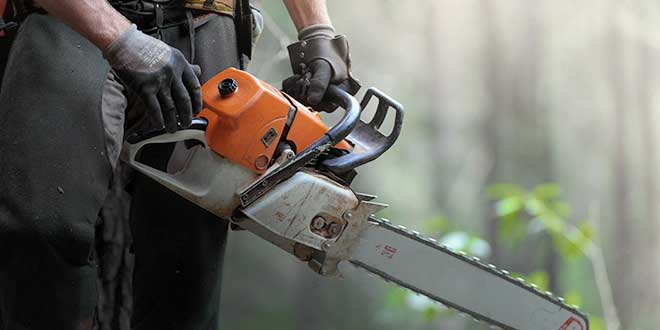
Health and safety in the arboriculture industry

This guide is primarily aimed at the arboriculture industry. It provides guidance on how to safely climb, prune, trim, maintain and remove trees, cut brush and for using equipment. It does not provide advice on electrical hazards

Health and safety in the arboriculture industry

Paint, printing inks and resins

Manufacturing paints and inks can have long-term effects on the health of people working in the industry. Precautions need to be taken with the range of solvents and chemical additives used in the manufacture of paints, printing inks and resins.

Paint, printing inks and resins

Safety and health in arboriculture

This guide is primarily aimed at the arboriculture industry. It provides guidance on how to safely climb, prune, trim, maintain and remove trees, cut brush and for using equipment. It does not provide advice on electrical hazards.

Tree work by rivers and streams

Guidance on general safety rules for tree work by rivers and streams

Tree work by rivers and streams

Woodlot harvesting on farms

This information sheet for farmers on the safe harvesting of woodlot on farms.

Woodlot harvesting on farms

Court ordered enforceable undertakings

List of enforceable undertakings that have been ordered by a court.

Court ordered enforceable undertakings

Tree felling near powerlines in forestry operations

The following guidance is provided for Inspectors who engage with duty holders working near power lines. This could include e.g tree felling operations, operating mobile plant and arboriculture operations.

Tree felling near powerlines in forestry operations

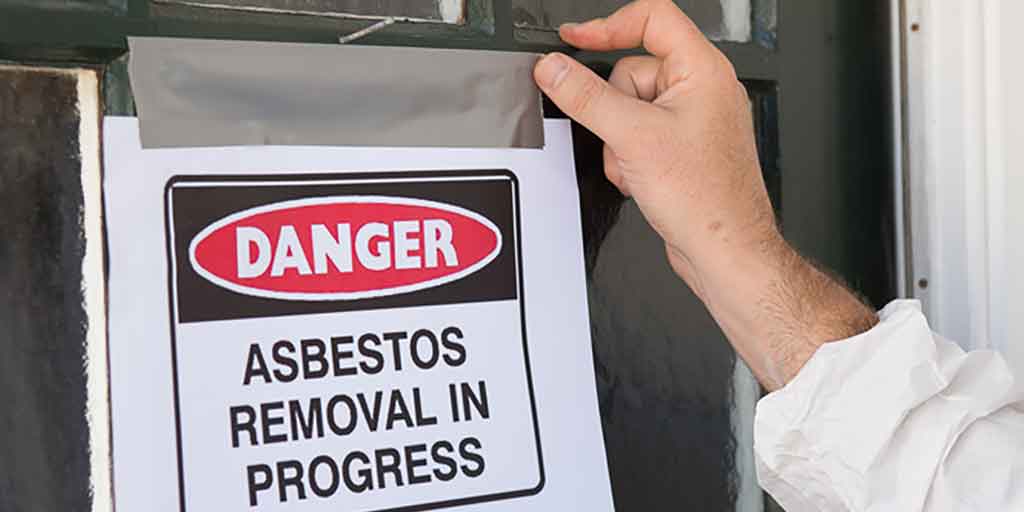
We have updated our asbestos guidance

With input from industry, WorkSafe has redeveloped and updated our asbestos-related guidance.

We have updated our asbestos guidance

ACOP: Prevention of sulphur fires and explosions (PDF 242 KB)

TYPE:   ACOP
TOPIC:   Chemicals

The purpose of the this code of practice is to establish reasonable safety and health protection requirements to eliminate or reduce the hazards of explosion and fire inherent in the processing and handling of sulphur, and mixtures containing sulphur, thereby protecting the safety of employees involved. The code is primarily concerned with the hazards arising from the processing of solid sulphur, but also considers the major risks associated with handling sulphur in liquid form.

ISBN:  
0-477-03466-7
 

New Zealand Code of Practice for Maintenance and Safety of CNG Refuelling Stations (PDF 28 KB)

TYPE:   ACOP
TOPIC:   Fuel, Gas, Health and safety at work

The purpose of this code is to address the matters associated with the maintenance and safety of CNG refuelling stations. It should be read in conjunction with the NZS 5425 series of codes. It is intended that CNG operators could adopt this code as a means of compliance with the statutory requirements for the maintenance and safety of CNG refuelling stations.

ISSN:  
ISSN 1172 - 3416
 
Related pages:  

Presentations for forestry approved code of practice (ACOP) 2025

WorkSafe held a series of in-person engagement sessions with small forestry businesses to support implementation of the new Approved Code of Practice published in August 2025.

Presentations for forestry approved code of practice (ACOP) 2025

Two new draft codes of practice in agriculture

We are developing draft content for two approved codes of practice (ACOPs) in agriculture.

Two new draft codes of practice in agriculture

Management and removal of asbestos

This Approved Code of Practice sets out WorkSafe New Zealand’s (WorkSafe) expectations about how to comply with asbestos health and safety law, including the Health and Safety at Work (Asbestos) Regulations 2016.

Management and removal of asbestos

Pipelines - Safe Work Instrument

This is the Health and Safety in Employment (Pipelines - Design, Construction, Operation, Maintenance, Suspension, and Abandonment Requirements) Safe Work Instrument 2023.

Pipelines - Safe Work Instrument

Laboratories

The Health and Safety at Work (Hazardous Substances) Regulations apply to laboratories. However, those involved in research and development, teaching and analytical testing have a different set of requirements to laboratories not involved in these areas.

Laboratories

Work-related health

This position sets out our expectations of duty holders in following the work-related health requirements of the Health and Safety at Work Act 2015 (HSWA) and the Health and Safety at Work (General Risk and Workplace Management) Regulations 2016.

Work-related health

Air quality in the extractives industry

Dust, fumes, and bacteria can all pose a risk in the extractives industry. Air quality is an important part of a health and safety management plan for all types of mining and tunnelling.

Air quality in the extractives industry

Crane safety for construction site managers and supervisors - fact sheet

As a site manager/supervisor you are responsible for coordinating health and safety on the construction site. This means you need to have an overview of all the activities happening on site. You also need to check that hazards are identified and controlled. This fact sheet provides information about the dangers associated with cranes and the steps to take to monitor crane safety.

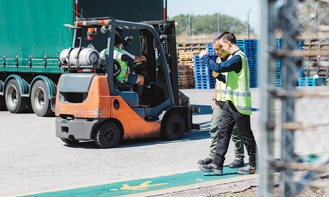
Managing work site traffic – Good practice guidelines

This guide provides practical advice on ways to identify and control the health and safety risks associated with work site traffic.

Managing work site traffic – Good practice guidelines

Maintenance of trees around powerlines

This approved code of practice trees describes minimum standards and preferred work practices for work on trees near power lines.

Maintenance of trees around powerlines

Industry guidance and position statements

Industry guidance, including approved codes of practice and WorkSafe position statements

Industry guidance and position statements

Safe use of isocyanates

This approved code of practice covers the safe storage, transport, use, and disposal of isocyanates.

Safe use of isocyanates

Construction

The construction sector includes the civil, commercial and residential sub-sectors, and specialist trades such as carpentry, plumbing, roofing, and electrical. On this page are resources to help those in the construction sector manage their work health and safety risks.

Agriculture

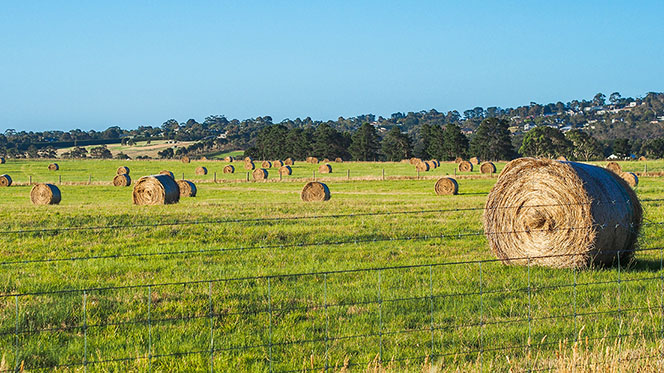
The agriculture sector covers farming, including livestock farming, horticulture, and related services such as shearing, spraying, fertiliser spreading, and harvesting. On this page are resources to help those in the agriculture sector manage their work health and safety risks.

Forestry

The forestry sector primarily covers forest harvesting in commercial forestry operations. On this page are resources to help those in the forestry sector manage their work health and safety risks.

Getting electrical work done

When you hire an electrician to do work on your home, make sure they are licensed and issue a Certificate of Compliance for their work. While you can do a limited amount of electrical work on your own home, unless you are sufficiently skilled, it is much better to get an electrician to undertake the work.

Getting electrical work done

Doing your own electrical work

There is some electrical work you can do in your own home. However, it is crucial you are appropriately skilled and understand exactly what the work you are carrying out will entail.

Laws and regulations

Find out more about the Acts, Regulations and Standards we are responsible for, our prosecutions, policies and any open consultations we have so you can have your say.

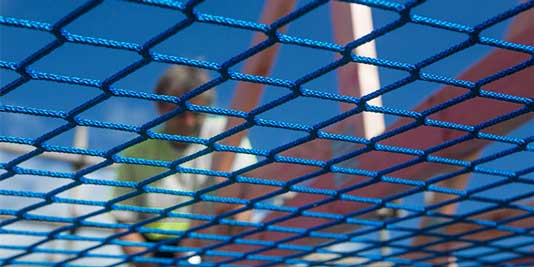
Safe use of safety nets

A fall from a height is likely to result in a serious injury. By installing safety nets below a high-level work area, there is less likelihood that the person will be injured if they fall.

Safe use of safety nets

Showing 40 of 2746 results for code of practice health and safety