These guidelines describe what WorkSafe New Zealand (WorkSafe) considers good practice in relation to worker engagement, participation and representation. Health and safety inspectors may use these guidelines when visiting workplaces or conducting investigations.
Download:
Key points
- All businesses and undertakings must have worker engagement and participation practices, regardless of their size, level of risk or the type of work they carry out.
- Everyone has a role to play in making sure workplaces are healthy and safe.
- Workplaces have better health and safety outcomes when workers have a say about health and safety matters.
- Workplace commitment to improving health and safety is an essential first step.
Start here
Worker participation is essential to keeping workplaces healthy and safe1.
Kia ora and welcome
New Zealand's key work health and safety legislation is the Health and Safety at Work Act 2015 (HSWA) and regulations made under that Act.
These good practice guidelines (GPG) are a guide to what WorkSafe considers good practice in relation to worker engagement, participation and representation. Health and safety inspectors may use these guidelines when visiting workplaces or conducting investigations.
This GPG focuses on the worker engagement, participation and representation component of HSWA (Part 3). The related interpretive guidelines Health and safety representatives and committees: Guidance on the legislative requirements outline the regulatory requirements for Health and Safety Representatives and Health and Safety Committees under HSWA and the Health and Safety at Work (Worker Engagement, Participation and Representation) Regulations 2016 (the Regulations).
The intent of HSWA is for everyone to work together on improving health and safety. It places duties on all persons conducting a business or undertaking (PCBUs), as well as on officers, workers and others at workplaces. HSWA aims to ensure everyone's health and safety, so far as is reasonably practicable, by ensuring risks to health and safety are either removed (eliminated) or properly controlled (minimised).
To improve health and safety at work, workers and PCBUs need to work together to find solutions. We all have an interest in reducing work injuries and deaths, and we all need to contribute to making the system better.
Workplaces are safer when workers know how to protect themselves and their workmates, and can actively contribute to health and safety arrangements at their work. Workplaces where workers are engaged with and participate in improving health and safety need to become an accepted cultural norm in New Zealand.
1 Royal Commission on the Pike River Coal Mine Tragedy, Volume 2 – Part 2, 2012, p.332 http://pikeriver.royalcommission.govt.nz(external link)
How to read these guidelines
These guidelines:
- describe a PCBU’s two duties:
- to engage with workers
- to have effective worker participation practices
- provide practical advice on how to engage on health and safety matters
- describe effective worker participation practices, including representation, with examples.
The guidelines have five sections:
- Section 1: Introduction
- Section 2: Self-review
- Section 3: Engagement with workers
- Section 4: Worker participation practices
- Section 5: Worker representation
- Section 6: Appendices with tips for effective worker engagement and worker participation practices.
WorkSafe has other guidance, on other topics, to help you to meet the legal requirements of HSWA.
All guidance including the related interpretive guidelines Health and safety representatives and committees: Guidance on the legislative requirements will be available through our website.
Key concepts to understand before reading these guidelines
Business or undertaking
The usual meanings of these terms are:
- 'business': an activity carried out with the intention of making a profit or gain
- 'undertaking': an activity that is non-commercial in nature (for example, certain activities of a local authority).
Engagement
See Section 3
A PCBU (person conducting a business or undertaking – see later definition) has to engage with its workers on health and safety matters.
A PCBU engages by:
- sharing information about health and safety matters so that workers are well-informed, know what is going on and can have a real say in decision-making
- giving workers reasonable opportunities to have a say about health and safety matters
- listening to and considering what workers have to say
- giving workers opportunities to contribute to the decision-making process relating to a health and safety matter
- considering workers' views when decisions are being made
- updating workers about what decisions have been made
- involving any Health and Safety Representatives (HSRs).
If workers are represented by an HSR, engagement must involve that representative.
Employment Relations Act 2000 (ERA)
The Employment Relations Act 2000 (ERA) sets out rules about employment relations between employers and employees.
ERA's objective is to build productive relationships between employers and their employees. It achieves this by promoting 'good faith' employment relations (see below).
Good faith
Acting in good faith is an important legal concept. Employers, employees and unions have a duty of good faith under ERA. This includes the need to be active and constructive in maintaining an employment relationship that is honest and communicative. Treating each other with mutual respect reduces the risk of conflict and problems.
Health and Safety at Work Act 2015 (HSWA)
HSWA is the work health and safety legislation in New Zealand. All work and workplaces are covered by HSWA unless specifically excluded. Part 3 of HSWA covers worker engagement, participation and representation.
Health and Safety at Work (Worker Engagement, Participation and Representation) Regulations 2016 (the Regulations)
The Health and Safety at Work (Worker Engagement, Participation and Representation) Regulations 2016 outline additional requirements for businesses or undertakings with Health and Safety Committees (HSCs) and Health and Safety Representatives (HSRs).
The Regulations prescribe matters relating to work groups, HSRs and HSCs.
Health and Safety Committee (HSC)
A Health and Safety Committee (HSC) supports the ongoing improvement of health and safety at work. An HSC enables PCBU representatives, workers and other HSC members to meet regularly and work cooperatively to ensure workers' health and safety.
One of an HSC's main functions is to assist in developing standards, rules, and policies or procedures relating to work health and safety. An HSC can also perform other functions that are agreed between the PCBU and the HSC, or specified by the Regulations.
Health and Safety Representative (HSR)
A Health and Safety Representative (HSR) is a worker elected by the members of their work group to represent them in health and safety matters, in accordance with subpart 2 of Part 3 of HSWA. Throughout these guidelines, the term HSR means an elected representative who meets the requirements of HSWA and the Regulations. It does not apply to people who are referred to as HSRs under other arrangements, but who are not elected under HSWA. See 'Worker representative'.
Interpretive guidelines: Health and safety representatives and committees: Guidance on the legislative requirements
The interpretive guidelines cover the requirements relating to HSRs and HSCs under HSWA and the Regulations.
Officer
An officer is a person who has the ability to significantly influence the management of a PCBU. This includes, for example, company directors and chief executives.
Officers must exercise due diligence to ensure the PCBU meets its health and safety obligations.
See WorkSafe's special guide Introduction to the Health and Safety at Work Act 2015 for a detailed explanation of an officer's role and duties.
Other persons at workplaces
Other persons include workplace visitors and casual volunteers (who are not volunteer workers).
Other persons at workplaces have their own health and safety duties to take reasonable care to keep themselves safe and to not harm others at a workplace.
Participation
See 'Worker participation practices'.
PCBU
PCBU stands for 'person conducting a business or undertaking'. In most cases a PCBU will be a business entity, such as a company. However, an individual carrying out business as a sole trader or self-employed person is also a PCBU.
A PCBU does not include workers or officers of a PCBU, volunteer associations with no employees, or home occupiers that employ or engage a tradesperson to carry out residential work.
Primary duty of care
A PCBU must ensure, so far as is reasonably practicable, the health and safety of its workers, and that other persons are not put at risk by the PCBU's work. This is called the 'primary duty of care'.
Regulator
WorkSafe New Zealand or the relevant designated agency.
So far as is reasonably practicable
When considering what is 'reasonably practicable' for worker engagement, participation and representation duties, consider the:
- nature of the work that is carried out
- nature and severity of a particular hazard or risk
- ease of reaching workers who will be affected by a health and safety matter
- work arrangements, such as shift work and remote work, temporary workers
- languages workers speak, and their reading and writing skills
- availability of HSRs or other worker representatives
- nature of the decision or action required, including how urgent it is to make a decision or take action
- size and structure of the business or undertaking.
Note: In relation to worker engagement, participation and representation duties in this document 'reasonably practicable' has the meaning outlined above, rather than the meaning in section 22 of HSWA.
The Regulations
See Health and Safety at Work (Worker Engagement, Participation and Representation) Regulations 2016.
Toolbox talk
A toolbox talk is a short informal group meeting or discussion about a specific health or safety issue or topic. It is a good way to provide information to workers and to start health and safety conversations.
Union
A union is an organisation that supports its membership by advocating on their behalf. ERA gives employees the freedom to join unions and bargain collectively without discrimination. Workers can choose whether or not to join a union.
A union is entitled to represent members' employment interests, including health and safety matters.
Unions can access a workplace to deal with matters concerning the health and safety of union members. Union representatives must seek permission beforehand, which an employer cannot unreasonably withhold.
Volunteer workers
Certain volunteers are classed as volunteer workers. A volunteer is a 'volunteer worker' when:
- they work for a PCBU who knows they are doing that work or has given consent for it to be done and
- the volunteer does the work on an ongoing and regular basis and
- the work is an integral part of the business or undertaking and the work is not:
- participating in fundraising
- assisting with sports or recreation for an educational institute, sports club or recreation club
- assisting with activities for an educational institute outside its premises or
- providing care for another person in the volunteer's home (for example, foster care).
A PCBU owes the same duties to volunteer workers as it does for its own workers – except for worker engagement, representation and participation duties. Although volunteer workers are not covered by these duties, they can still raise health and safety concerns with the PCBU.
Work group
Work groups are formed to enable workers to elect HSRs to represent them on health and safety matters.
A work group includes all the workers in a business or undertaking, unless the PCBU determines otherwise. The interpretive guidelines outline what must be considered when determining the number and composition of work groups and the number of HSRs to be elected.
Worker
A worker is an individual who carries out work in any capacity for a PCBU. A worker may be an employee, a contractor or sub-contractor, an employee of a contractor or sub-contractor, an employee of a labour hire company, an outworker (including a homeworker), an apprentice or a trainee, a person gaining work experience or on a work trial, or a volunteer worker. Workers can be at any level (for example, managers are workers too).
Although workers do not have specific duties for worker participation or engagement, they do have duties to keep themselves and others safe. HSWA requires workers to:
- take reasonable care of their own health and safety
- take reasonable care that anything they do – or do not do – does not negatively affect the health and safety of other people
- comply, as far as they can, with any reasonable instruction given by the PCBU to allow the PCBU to comply with their duties under the legislation
- cooperate with any reasonable policy or procedure relating to work health and safety that workers have been told about. Common policies and procedures cover reporting hazards, injuries and incidents, and the wearing of personal protective equipment (PPE). The PCBU must engage with workers and their representatives when these policies are being developed.
Note:
- The worker engagement, participation and representation part of HSWA does not apply to:
- a volunteer worker
- a worker who is a prisoner carrying out work inside a prison.
- Certain sections of the worker engagement, participation and representation part of HSWA do not apply to members of the Armed Forces. These relate to requests for the election of HSRs (section 62(1)), the establishment of an HSC (section 66(1)(b)), and the worker's right to cease unsafe work or for an HSR to direct unsafe work to cease (sections 83 and 84).
Worker participation practices
See Section 4
Worker participation practices are what the PCBU puts in place so that workers can help to improve work health and safety on an ongoing basis. These practices make it possible for workers to share ideas and information, raise issues, and contribute to decision-making on an ongoing basis.
Worker representative
In relation to a worker, means:
- the Health and Safety Representative for the worker; or
- a union representing the worker; or
- any other person the worker authorises to represent them (for example, community or church leaders, lawyers, occupational physicians, nurses, respected members of ethnic communities).
Workers can ask a worker representative to raise health and safety issues with a PCBU on their behalf.
Workplace
A workplace is any place where a worker goes or is likely to be while at work, or where work is being carried out or is customarily carried out.
Most duties under HSWA relate to the conduct of work. However some duties are linked to workplaces.
WorkSafe
WorkSafe is the government agency that is the work health and safety regulator. WorkSafe collaborates with PCBUs, workers and other duty holders to embed and promote good work health and safety practices, and enforce health and safety law.
Other government agencies can be designated to carry out certain health and safety functions, for example, Maritime New Zealand and the Civil Aviation Authority.
Additional common health and safety terms are defined in Appendix 1.
1.0 Introduction
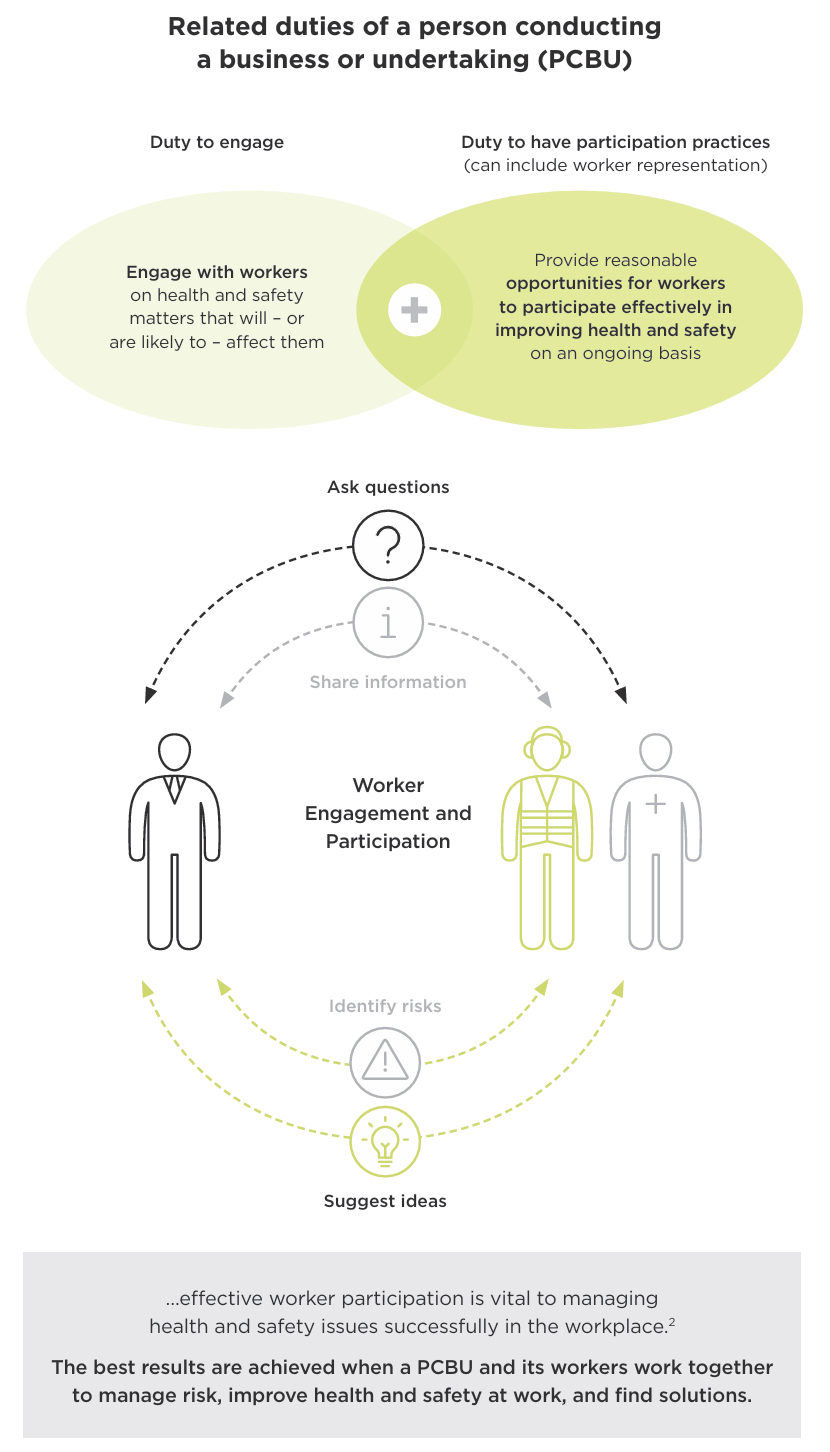
Figure 1 shows a diagram titled "Related duties of a person conducting a business or undertaking (PCBU)" and has three parts, read top to bottom.
At the top, two overlapping ovals sit side by side, joined in the middle by a small circle with a "+" symbol, representing how the two duties combine. The left oval is headed "Duty to engage" and reads: "Engage with workers on health and safety matters that will – or are likely to – affect them." The right oval is headed "Duty to have participation practices (can include worker representation)" and reads: "Provide reasonable opportunities for workers to participate effectively in improving health and safety on an ongoing basis."
Below this sits a circular diagram showing an ongoing cycle of engagement. In the centre are three simple human figures: a person in business attire, a worker in a high-vis vest and hard hat, and a third plain outline figure marked with a "+". Beside them, the label "Worker Engagement and Participation" identifies the group as a whole. Around this central group, four steps are arranged in a circle and connected by dashed arrows showing a continuous loop in both directions: Ask questions, Share information, Identify risks, and Suggest ideas.
At the bottom of the figure sits a pull-quote: "…effective worker participation is vital to managing health and safety issues successfully in the workplace2,". Beneath it, in bold: "The best results are achieved when a PCBU and its workers work together to manage risk, improve health and safety at work, and find solutions."
End of text alternative.
2 The Report of the Independent Taskforce on Workplace Health & Safety: He Korowai Whakaruruhau (2013) www.mbie.govt.nz(external link)
“Our vision is that worker participation is a valued part of the workplace health and safety system, and management is interested in and open and responsive to workers’ health and safety concerns.”3
3 The Report of the Independent Taskforce on Workplace Health & Safety: He Korowai Whakaruruhau (2013) www.mbie.govt.nz(external link)
1.1 Workers should have a real say about their own health and safety
Everyone who goes to work should come home healthy and safe, yet workers are still at risk of being harmed.
To improve health and safety at work, workers should have a real say about their own health and safety. The best health and safety outcomes are achieved when a PCBU and its workers work together. Workplaces in which workers and their representatives actively contribute to health and safety are safer workplaces with lower occupational illness and injury rates.4,5,6,7
Workers:
- are directly affected by any risks created by a PCBU’s work
- are in the best position to know how a job is done and how it affects them
- can provide practical solutions to improving work health and safety.
4 Shearn, P. (2004) Workforce Participation in the Management of Health and Safety. Report Number HSL/2005/09. Sheffield: Health & Safety Laboratory.
5 Walters, D. Nichols, T., Connor, J., Tasiran, A.C. and Cam S. (2005) The role and effectiveness of safety representatives in influencing workplace health and safety. Research Report 363. Prepared by Cardiff University for the Health & Safety Executive. Suffolk: Health & Safety Executive.
6 Walters, D., and Nichols, T. (2007) Worker Representation and Workplace Health and Safety. Basingstoke: Palgrave Macmillan.
7 Walters, D., Wadsworth, E., Marsh, K., Davies, R. and Lloyd-Williams, H. (2012) Worker representation and consultation on health and safety: an analysis of the findings of the European Survey of Enterprises on New and Emerging Risks. Luxembourg: Publications Office of the European Union.
1.2 PCBU worker engagement and worker participation duties
Good health and safety is about having effective ways to deal with issues that can cause harm to workers or others. Under HSWA all businesses and undertakings must have worker engagement and worker participation practices, regardless of their size, level of risk or the type of work they carry out.
Under HSWA, a PCBU must:
- engage with its workers on issues which will or are likely to affect health and safety, and
- have practices that provide reasonable opportunities for its workers to participate effectively in improving health and safety.
The best ways to engage with workers and ensure their participation on an ongoing basis will depend on the views and needs of workers, the business or undertaking’s size, and how, when and where work is carried out. A PCBU’s commitment to improving health and safety is an essential first step.
Worker engagement and worker participation practices can be direct (for example, by individual workers talking directly to the PCBU) or through representation (for example, using formal or informal representatives). Sections 3–5 of these guidelines provide information about worker engagement, worker participation practices and worker representation. The interpretive guidelines outline the rules for Health and Safety Representatives (HSRs) and Health and Safety Committees (HSCs).
Act in good faith
Employers, unions and employees are expected to act in good faith. This is a requirement of the Employment Relations Act 2000 (ERA). When workers and PCBUs interact with each other honestly, openly and with mutual respect this reduces the risk of conflict and problems.
Note: The worker engagement, participation and representation part of HSWA does not apply to:
- a volunteer worker
- a worker who is a prisoner who is carrying out work inside a prison.
Certain sections of the worker engagement, participation and representation part of HSWA do not apply to members of the Armed Forces. These relate to requests for the election of HSRs (section 62(1)), the establishment of an HSC (section 66(1)(b)), and the worker's right to cease unsafe work or for an HSR to direct unsafe work to cease (sections 83 and 84).
1.3 How worker involvement can improve health and safety
Engaging with workers and having effective ways for workers to participate on an ongoing basis (worker participation practices) leads to healthier and safer workplaces.
Ongoing worker involvement in improving health and safety helps to:
- raise issues that the PCBU may not be aware of
- prioritise the health and safety matters that need to be addressed
- reduce work-related injuries and illnesses
- increase productivity, efficiency and quality
- motivate the workforce
- boost cooperation and trust between workers and PCBUs – and strengthen working relationships
- increase workers' awareness about work health and safety matters
- strengthen worker commitment
- reduce operating costs
- improve health and safety standards
- improve decision-making
- result in practical solutions, because workers know their work environment well
- contribute to a positive workplace culture.
1.4 A positive workplace culture is essential
Legislation will not achieve a culture change by itself. New Zealanders' attitudes to health and safety in the workplace need to change. Everyone who creates and can control risk in the workplace must take action, from senior managers to people who deal with the risks.
When a business or undertaking talks about its workplace culture, it means the beliefs and practices that everyone shares. Workplace culture (sometimes called 'organisational culture') reflects what is important in the workplace. A positive workplace culture is essential for worker engagement and participation to work well. See Figure 2.
Research evidence from other countries suggests the factors that make worker engagement and participation effective include a strong regulatory framework, a positive management culture with commitment to participation processes, union support of HSRs, and effective worker representatives.8
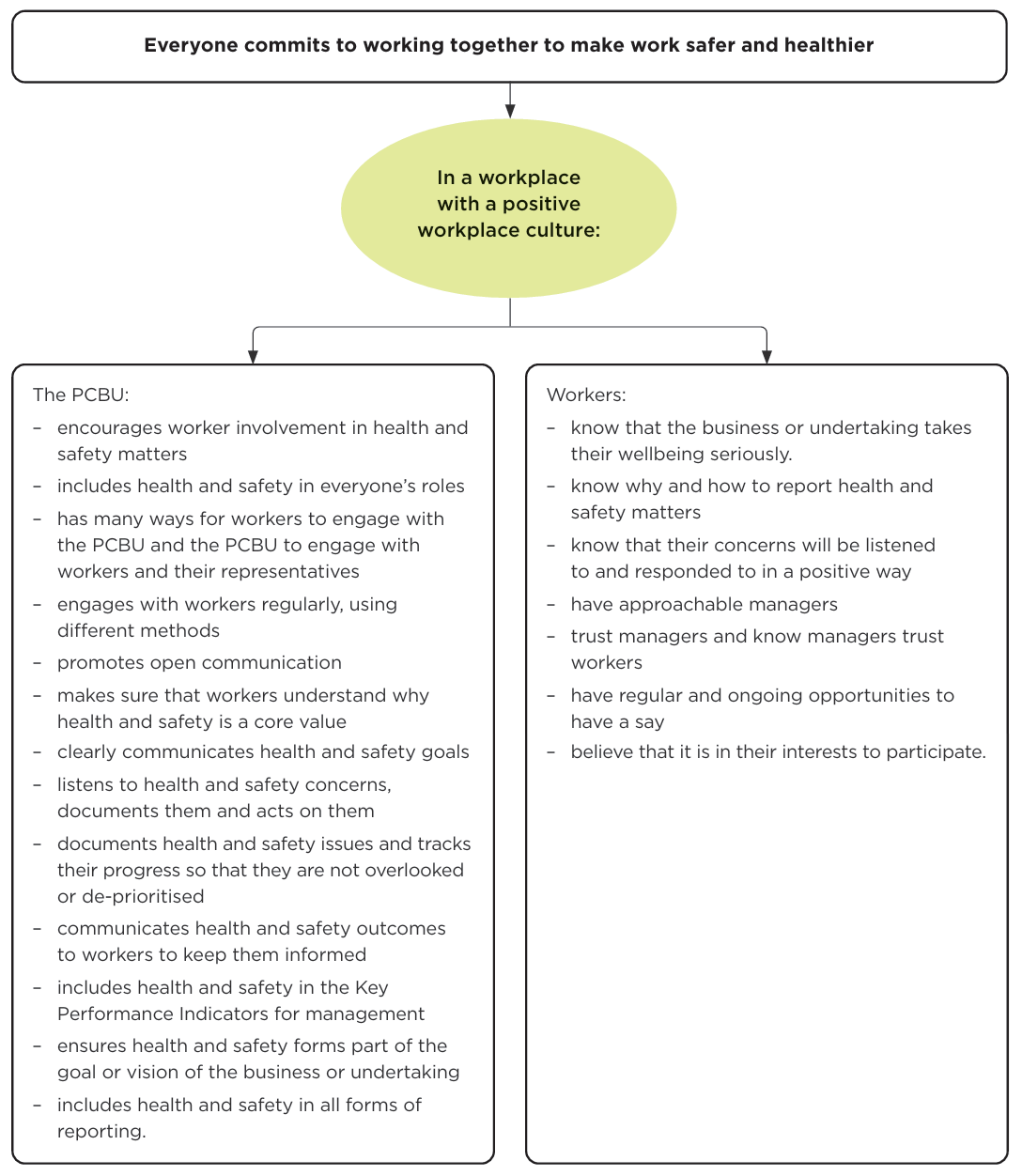
Figure 2 shows a flowchart with three levels, connected top to bottom by arrows.
At the top, a box reads: "Everyone commits to working together to make work safer and healthier."
An arrow points down from this box to an oval below it, which reads: "In a workplace with a positive workplace culture:"
From the oval, an arrow branches down and splits into two, pointing to two boxes sitting side by side.
The left box is headed "The PCBU:" and lists:
- encourages worker involvement in health and safety matters
- includes health and safety in everyone's roles
- has many ways for workers to engage with the PCBU and the PCBU to engage with workers and their representatives
- engages with workers regularly, using different methods
- promotes open communication
- makes sure that workers understand why health and safety is a core value
- clearly communicates health and safety goals
- listens to health and safety concerns, documents them and acts on them
- documents health and safety issues and tracks their progress so that they are not overlooked or de-prioritised
- communicates health and safety outcomes to workers to keep them informed
- includes health and safety in the Key Performance Indicators for management
- ensures health and safety forms part of the goal or vision of the business or undertaking
- includes health and safety in all forms of reporting.
The right box is headed "Workers:" and lists:
- know that the business or undertaking takes their wellbeing seriously.
- know why and how to report health and safety matters
- know that their concerns will be listened to and responded to in a positive way
- have approachable managers
- trust managers and know managers trust workers
- have regular and ongoing opportunities to have a say
- believe that it is in their interests to participate.
End of text alternative.
8 Clarke, J. (2014) Consultation Doesn’t Happen By Accident(external link) Adelaide: Centre for Work + Life, University of South Australia
2.0 Self-review
This section identifies what ‘good’ looks like and how commitment to effective worker engagement, participation and representation practices can be assessed.
2.1 What ‘good’ looks like: self-review of commitment to effective practices
You can assess commitment to good practices for worker engagement, participation and representation at your workplace. Look at the practices described in the checklist below. How well is your workplace doing at the moment?
Anything that is not already being done really well is an area that needs improvement.
The following sections of these guidelines give ideas for how to improve practices. They describe what good worker engagement and participation practices can look like. Representation is one form of participation.
What are the strengths and areas for improvement at your workplace?
The table below shows the foundations of good practice for worker engagement, participation and representation. Appendix 2 shows what else a PCBU can look for when considering whether it is engaging well with workers and whether workers have reasonable opportunities to participate effectively.
| Good practice | Our workplace does this... | ||
|---|---|---|---|
| Really well | So-so | Not at all well | |
| The PCBU knows what its worker engagement, participation and representation HSWA duties are | |||
| The PCBU clearly communicates health and safety information to all workers* | |||
| Workers* and the PCBU openly discuss health and safety | |||
| Worker engagement, participation and representation practices were developed after talking with workers* to find the best fit | |||
| The PCBU actively seeks worker views on health and safety matters and considers these views when making decisions | |||
| Workers* are encouraged and supported to be involved in health and safety matters | |||
| Workers* have reasonable opportunities to tell the PCBU what they think about health and safety matters, through established processes | |||
| The PCBU makes changes that improve health and safety in response to issues raised by workers* | |||
| Workers* are informed of work decisions that affect their health and safety in a timely manner | |||
* 'Workers' includes any worker representatives at the workplace
Table 1: Self-review: strengths and areas for improvement at your workplace
3.0 Engagement with workers
This section describes when a PCBU must engage with workers and what engagement with workers means.
Key points
- A PCBU must, so far as is reasonably practicable, engage with the workers who carry out work for it and who are, or are likely to be, directly affected by a work health and safety matter.
- A PCBU should take an active approach to engagement.
- Worker engagement can be direct or through representation (for example, using formal or informal representatives).
- HSWA and the Regulations outline certain requirements if there are elected Health and Safety Representatives (HSRs) and Health and Safety Committees (HSCs).
- A PCBU must take workers’ views into account and let them know promptly what will happen next.
- A PCBU that engages effectively uses a mix of formal and informal approaches to encourage workers to respond.
3.1 Duty to engage with workers
A PCBU – whether its business or undertaking is small or large – has to engage with its workers on matters of health and safety that will or are likely to directly affect them.
HSWA specifies the situations when a PCBU must engage.
A PCBU engages with workers so that workers have opportunities to influence health and safety at work – including how their work is done and their working conditions.
Engagement does not mean that everyone has to agree – but everyone should have an opportunity to have a say. It is good practice to reach agreement, although it is not a legal requirement.
3.2 Who does a PCBU have to engage with? (section 58 of HSWA)
A PCBU must, so far as is reasonably practicable, engage with the workers who carry out work for it and who are, or are likely to be, directly affected by a work health and safety matter.
This means that a PCBU does not have to engage with all workers that the business or undertaking influences and directs – only with workers that carry out work for its business or undertaking.
Examples
- Kershen Construction is a large company working on a Canterbury rebuild project. Kershen needs to engage with workers that carry out work for it to the extent that it is reasonably practicable.
Although Kershen is overseeing the project it does not have to engage with every single person that picks up a hammer on site. Kershen does have to engage with workers that carry out work for its company – including workers from other businesses – about matters that will, or are likely to, directly affect their work health or safety.
Kershen does not need to engage with workers that are carrying out work for other businesses on the same site (for example, electricians or plumbers). These businesses have their own duty to engage with their workers. - Fast and Quick Services is based in an Invercargill office. Fast and Quick Services does not have to engage with the couriers who drop off packages or the technicians who come to service its photocopiers. Fast and Quick Services does have to engage with its workers (whether they are its employees, or contractors doing work in its business) who are – or are likely to be – directly affected by a work health and safety matter.
Who is a worker?
A worker is an individual who carries out work in any capacity for a PCBU.
See Figure 3.
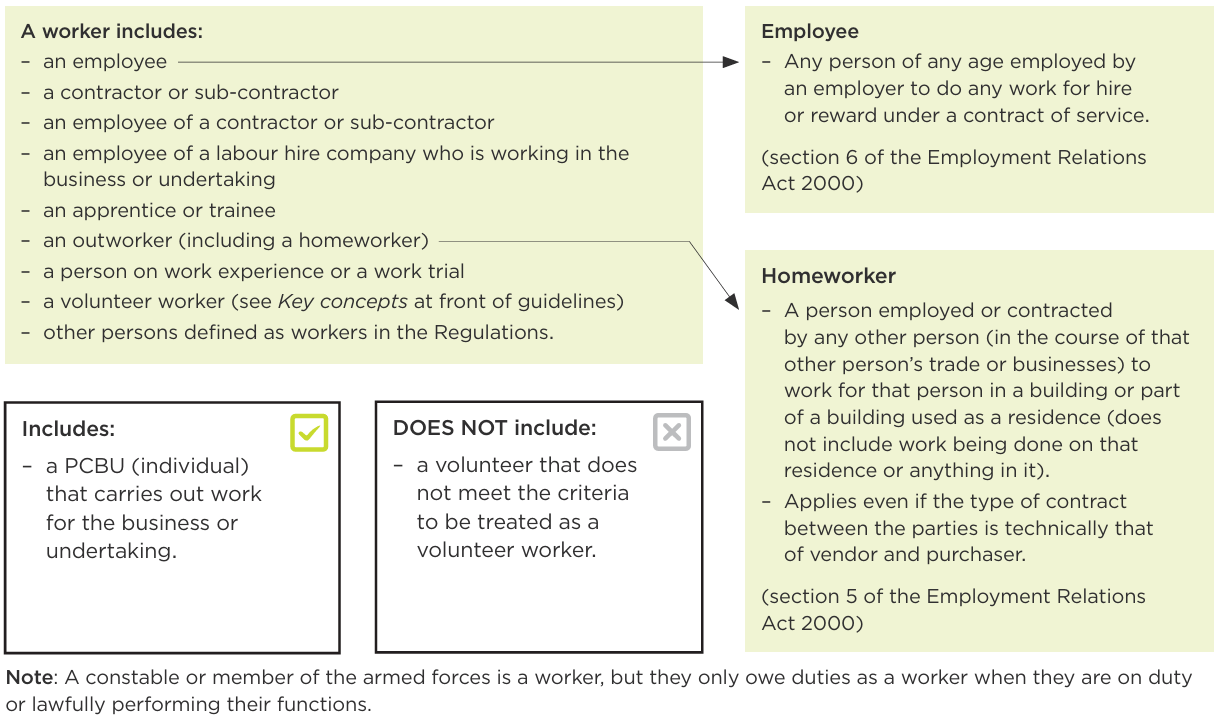
Figure 3 shows a large box on the left headed "A worker includes:" and lists:
- an employee
- a contractor or sub-contractor
- an employee of a contractor or sub-contractor
- an employee of a labour hire company who is working in the business or undertaking
- an apprentice or trainee
- an outworker (including a homeworker)
- a person on work experience or a work trial
- a volunteer worker (see Key concepts at front of guidelines)
- other persons defined as workers in the Regulations.
An arrow points from "an employee" to a box headed "Employee" which reads: "Any person of any age employed by an employer to do any work for hire or reward under a contract of service. (section 6 of the Employment Relations Act 2000"
Another arrow runs from "an outworker (including a homeworker)" to a box headed "Homeworker," which reads: "A person employed or contracted by any other person (in the course of that other person's trade or businesses) to work for that person in a building or part of a building used as a residence (does not include work being done on that residence or anything in it)," and "Applies even if the type of contract between the parties is technically that of vendor and purchaser," with the citation "(section 5 of the Employment Relations Act 2000)."
Below the first box sit two smaller side-by-side boxes: "Includes: a PCBU (individual) that carries out work for the business or undertaking." and "DOES NOT include: a volunteer that does not meet the criteria to be treated as a volunteer worker."
Note: A constable or member of the armed forces is a worker, but they only owe duties as a worker when they are on duty or lawfully performing their functions.
End of text alternative.
Note: The worker engagement, participation and representation part of HSWA does not apply to:
- a volunteer worker (see Key Concepts at the front of these guidelines)
- a worker who is a prisoner carrying out work inside a prison.
Certain provisions do not apply to members of the Armed Forces.
Considering what is ‘reasonably practicable’
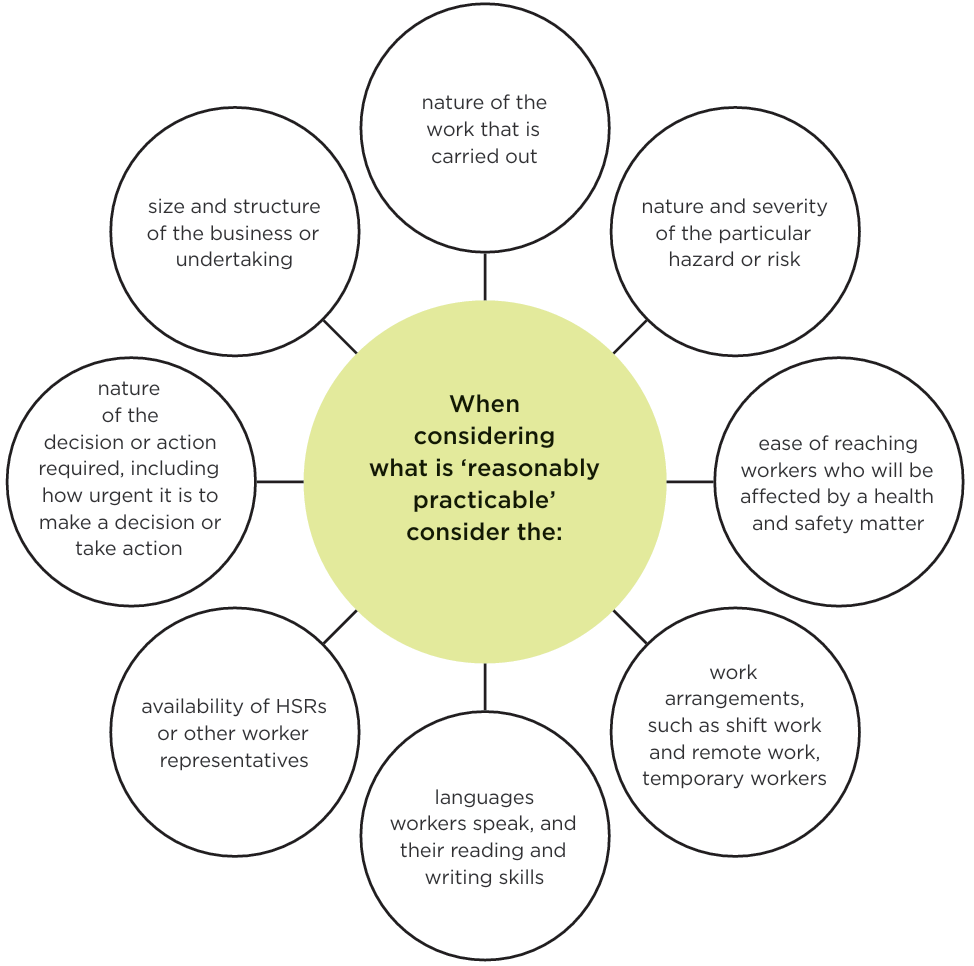
Figure 4 is a radial (hub-and-spoke) diagram. A circle sits in the centre, reading: "When considering what is 'reasonably practicable' consider the:"
Eight outer circles surround the central circle, each connected to it by a line, arranged in a ring going clockwise from the top:
- nature of the work that is carried out
- nature and severity of the particular hazard or risk
- ease of reaching workers who will be affected by a health and safety matter
- work arrangements, such as shift work and remote work, temporary workers
- languages workers speak, and their reading and writing skills
- availability of HSRs or other worker representatives
- nature of the decision or action required, including how urgent it is to make a decision or take action
- size and structure of the business or undertaking
End of text alternative.
3.3 When engagement is required (section 60 of HSWA)
A PCBU has a general duty to engage with workers. In addition, a PCBU must engage when:
- identifying hazards and assessing risks to health and safety
- proposing changes that may affect workers' health or safety
- making decisions about:
- ways to eliminate or minimise health and safety risks
- procedures for resolving health or safety issues
- whether facilities for workers' welfare (for example, tearooms) are adequate
- procedures for engaging with workers
- procedures for monitoring workers' health
- procedures for monitoring workplace conditions
- procedures for providing information and training for workers
- developing worker participation practices, including when determining work groups
- carrying out any other activity specified in the Regulations.
Engagement should be regular and ongoing. Health and safety can be affected by how work is organised as well as changes in production, technologies, equipment or working methods.
Engaging with workers at the start of a project or activity provides real opportunities to improve processes or structures.9 This can help a PCBU to make better decisions.
9 Clarke, J. (2014) Consultation Doesn't Happen By Accident. Adelaide: Centre for Work + Life, University of South Australia www.unisa.edu.au(external link)
Example
Issues, business decisions or actions that could affect workers' health and safety include:
- a new or emerging risk to health and safety
- changes to hours of work or shift work rosters
- development of a new product
- plans for a new project
- a new approach to controlling risk
- a review of control measures
- emergency planning
- changes to personal protective equipment (PPE) or other equipment that might affect:
- the tasks workers carry out
- the timeframes for doing work
- how workers interact with each other
- the work environment
- introduction of a new system, process or procedure
- new substances onsite
- a proposal to begin monitoring workers' health
- revised timing and completion deadlines
- business restructuring
- reduction of staff
- factors external to the company, such as:
- daylight savings
- seasons
- weather (extreme cold or heat)
- government policy.
3.4 How to engage (section 59 of HSWA)
PCBU engagement duties
PCBU engagement with workers must:
- provide relevant information about a health and safety matter to workers in a timely manner, and
- give workers a reasonable opportunity:
- to express their views and to raise work health or safety issues in relation to the matter, and
- to contribute to the decision-making process relating to the matter.
- take workers' views into account, and
- ensure workers are promptly advised of the outcome of the engagement.
A PCBU engages by sharing information about health and safety matters in a timely manner so that workers are well-informed, know what is going on and can have a real say in decision-making.
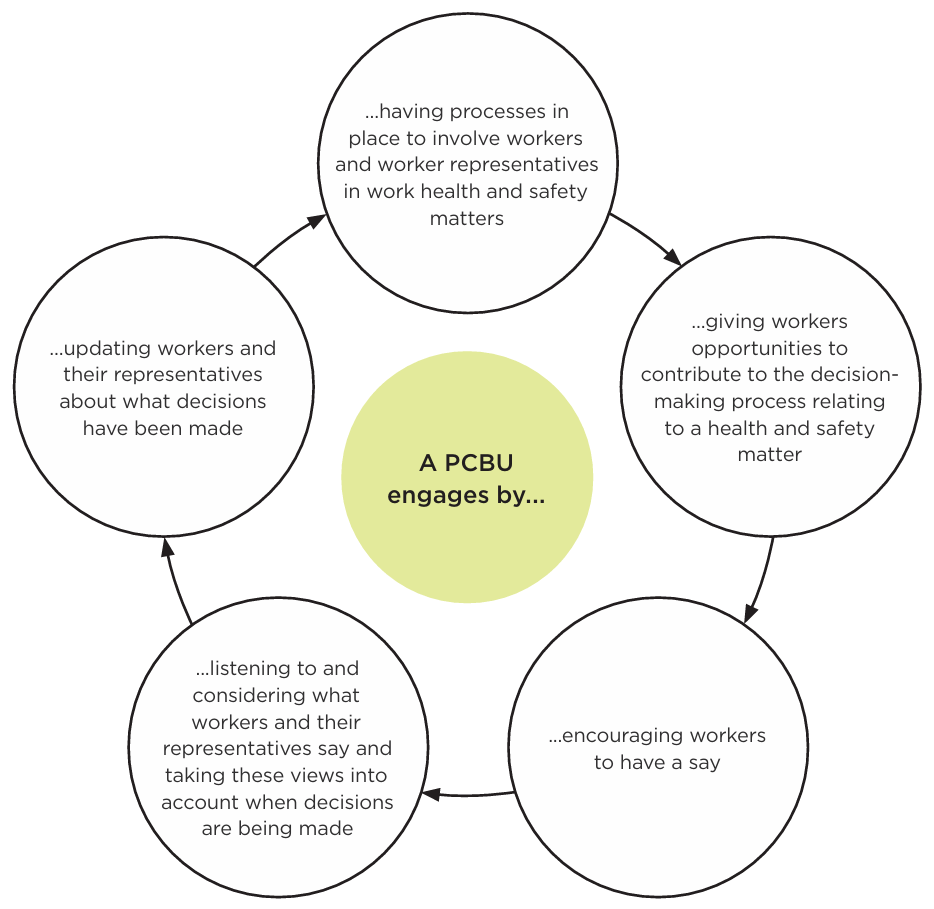
Figure 5 is a circular flow diagram of five steps around a central circle, connected by arrows showing an ongoing cycle. The central circle reads: "A PCBU engages by…"
Reading clockwise from the top:
- …having processes in place to involve workers and worker representatives in work health and safety matters
- …giving workers opportunities to contribute to the decision-making process relating to a health and safety matter
- …encouraging workers to have a say
- …listening to and considering what workers and their representatives say and taking these views into account when decisions are being made
- …updating workers and their representatives about what decisions have been made
End of text alternative.
Worker engagement can be direct, or through representation (for example, through formal or informal representatives) if that is what workers prefer. Section 5 of these guidelines provides information about worker representation. The interpretive guidelines outline the rules for Health and Safety Representatives (HSRs) and Health and Safety Committees (HSCs).
If workers are represented by an HSR, engagement must involve the HSR. HSRs can ask for information on behalf of workers. If workers are represented by a union, the union can ask for information on behalf of workers.
Issue resolution
Engagement may not always go smoothly. A PCBU should have processes and procedures for dealing with any issues that arise (for example, if a PCBU and workers do not agree that something is a potential risk to health and safety).
A PCBU must engage with workers (including any HSRs) when developing issue resolution procedures.
A PCBU should:
- make sure that workers are aware of issue resolution procedures – and who to approach if a health and safety issue needs to be resolved
- make a reasonable effort to resolve an issue with effective, timely and lasting solutions by:
- considering input from workers and worker representatives
- following agreed issue resolution procedures.
If after this a significant health and safety issue is still not resolved, contact us
See Appendix 3 for WorkSafe's contact details and other potential sources of help.
Engaging with workers
Table 2 and the following information show how a PCBU can engage with workers.
| What do you have to do? | What could you also do? | Consider how best to engage | Use a combination of methods |
|---|---|---|---|
|
Talk with workers about health and safety – listen to what they have to say. A PCBU must:
|
Make it clear that health and safety at work is everyone's responsibility. Let workers know that you are committed to engaging with them. Let workers know that their contributions to health and safety conversations and decisions:
Actively encourage workers to ask questions, raise concerns and make suggestions. Ensure that health and safety is recognised as an important part of each person's role. Recognise workers whose suggestions or actions have contributed to a safer and healthier workplace. Explain why decisions have been made. Regularly review worker engagement and participation practices – look for ways to improve existing practices. Be open to trying new approaches. Look at engagement and participation practices that you could borrow from other businesses or undertakings – or other cultures – and adapt in your own workplace. |
Be flexible, innovative and responsive to workers' needs and preferences. Regularly review your approaches to engagement to make sure that they are still effective Set up a worker participation agreement that includes agreement on engagement procedures, to support and improve health and safety at work. How you engage with workers will be influenced by your:
It will also depend on:
|
You could:
|
Table 2: Engaging with workers – a guide for a PCBU
Sharing relevant information with workers in a timely manner
Workers need to know what is going on. A PCBU must share information with workers and their HSRs (if they have them) about matters that will, or are likely to, directly affect their health and safety. A PCBU could also share information with unions and other worker representatives.
Information that could be shared includes information about:
- proposed health and safety policies and procedures
- proposed changes to the workplace, systems of work, plant or substances
- incidents
- costings
- options considered but not chosen – and reasons why.
Provide information early. Workers and their representatives need time to:
- consider a matter
- discuss it
- ask for more information if they need it
- provide feedback to the PCBU.
Update workers and draw attention to any new information so that everyone knows about it.
If something unexpected happens and an urgent response is needed to an immediate risk, consider the following:
- Can the issue be handled through one of the usual methods the business or undertaking uses for engaging with workers?
- Can a different approach be used, such as a one-off meeting?
- Does the entire workforce need to be brought together?
Communicating with workers
Meeting face-to-face is usually the most effective way of communicating. There should also nearly always be written information as well as face-to-face meetings. If it is not possible to meet with all workers, consider other ways to share information such as texting, email or video conferencing.
Set aside time during work hours to engage with workers.
Workers should have an opportunity to seek external advice or expertise.
Use plain language: information should be easy for workers to understand.
Be clear and brief.
Diagrams, photos, signs and symbols may be easier for some workers to understand than written information.
Consider the following:
- How strong are workers' reading, writing and number skills?
- What languages do workers speak and understand?
- What languages are used in the workplace?
- What is the most effective way to communicate with workers whose main language is not English? (Consider interpreters; sign language; see Translating information below.)
- Are all workers able to understand the risks associated with the work?
- How will worker representatives, such as HSRs and unions, be involved?
- What approaches have worked well before for:
- providing information?
- engaging with workers?
- How do workers prefer to receive information?
- Workers must be given an opportunity to have a say on how they would like to be kept informed about health and safety matters – this is part of a PCBU's duty to engage.
- Will all workers have an opportunity to take part?
- Can all workers be informed together at the same time?
- If not, what methods will be used so that all workers are informed?
- Are any workers absent? They must be informed about anything that may affect their health and safety when they return to work.
- How will shift workers or workers on rotating rosters be reached?
- Could some information be channelled through HSRs?
- Has enough time been set aside to engage/share information?
- Simple issues do not always have straightforward or easy solutions.
- Are cultural attitudes influencing workers' contributions to safety discussions?
- Respect for leaders or elders could mean that workers are reluctant to challenge unsafe practices.
Translating information
Not all workers speak, read and write English. Some PCBUs translate key health and safety information into other languages.
An experienced and competent translator can:
- present information using the appropriate tone
- explain important messages accurately
- translate technical terms
- take cultural and other factors into account.
Although asking bilingual workers to translate information works well for some businesses or undertakings, be cautious when asking workers to translate health and safety messages.
- Managers may not know if messages are passed on correctly or incorrectly.
- The meaning could be lost.
- The translator could give incorrect information.
- Ask several other people who speak that language to check translated material and tell you what it says – it may take a few attempts to get the wording right.
The Department of Internal Affairs offers a professional translation service and cultural advice to businesses or undertakings, central and local government and private individuals: Department of Internal Affairs Translation Service(external link)
How to take workers' views into account
Workers' views about the way forward must be considered before decisions are made.
A PCBU should:
- listen to workers' concerns with an open mind
- seriously consider all points of view
- make decisions based on sound information
- seek agreement where possible.
Changes are more likely to be actively supported if workers have contributed to the decision-making process.
Example
Noise
Workers at Tauroa's Window and Door Factory use machinery that creates high noise levels, including glass edging machines and pneumatic grinders. The business is committed to effectively managing workplace noise and preventing noise-induced hearing loss. All workers are expected to use hearing protection equipment such as ear plugs and ear muffs. Managers train workers to ensure that they are using this equipment correctly.
The business appointed Joey as a noise manager. Joey engaged with all workers – including other managers, supervisors and health and safety personnel – to develop a noise management policy.
Joey asked workers to tell him about the sources of noise in the factory. He asked which equipment and machines were creating the noise, what sort of noise was created (for example, high- or low-pitch; constant or occasional), whether there was more noise at certain times of the day and how often they had to raise their voices to talk to each other.
Joey and other workers looked at the results and talked about changes they could make to reduce their exposure to noise in the factory. Workers asked if a noise control specialist could visit the factory to measure the noise level. Management funded the cost of the visit.
The specialist recommended engineering techniques to eliminate, isolate or minimise noise. Workers were also asked to share their ideas. One worker suggested rotating staff who worked near the noisiest machine so that they were not constantly exposed to high noise levels. Another recommended that workers glued certain components instead of using a loud pneumatic nail gun.
Workers asked Joey if changes in noise exposure could be monitored after the engineering changes were made. Joey passed on their request and managers arranged for environmental monitoring to take place. Everyone at Tauroa's Window and Door Factory knows that workers need to be protected from the effects of unsafe levels of noise. Managers have also arranged for worker health monitoring for signs of harm to workers' hearing.
How to keep workers informed about the results of engagement
Workers need to know:
- that the PCBU will consider their ideas and respond
- how engagement has made a difference
- how, and what, decisions are made about issues and suggestions raised by workers or their representatives
- that nothing bad will happen just because they raised an issue.
Feedback from a PCBU:
- shows how engagement with workers has been considered
- shows that the PCBU is committed to the engagement process
- should maintain the trust between the PCBU and workers.
If a health and safety issue remains unresolved after engagement has taken place, workers can follow the PCBU's issue resolution procedures. Good practice models for health and safety issue resolution have:
- all parties acting in good faith (if it is an employment relationship)
- a fair process
- representatives for each party who:
- are confident about discussing issues
- have support to help them to negotiate (if they need it)
- parties with the required mandate and decision-making powers.
Examples of effective worker engagement
A PCBU that engages effectively will use a mix of formal and informal ways to encourage workers to contribute to improving health and safety outcomes.
Identifying hazards
Mataroa Biscuit Ltd reviewed its hazard register to ensure that all work activity, not just the factory, was covered. The company asked each group of workers to look at the risks in their area. They included delivery drivers, sales reps, maintenance workers, warehouse workers, office workers and production workers. Workers identified hazards and risks that were not covered by the risk register, such as fatigue and remote working for drivers, the use of chemicals by maintenance staff, slippery floors after cleaning, and manual handling in the loading bay. Managers, with support from the Health and Safety Committee, reviewed the hazards and risks. They made sure that workers were engaged in identifying the control measures for all their risks and had a say about what would work best. For example, workers' suggestions lead to two machines being modified to eliminate hazards, defensive driving training courses being offered, and improved health and safety signs being put up throughout the factory.
Changes in the workplace
Lalo Ltd decided to introduce shift working to cover a particularly busy time. As this could affect work health and safety, the company engaged with workers using the agreed procedures for engagement and involved trained HSRs. The engagement process identified a number of issues, such as new shift workers requiring training and supervision, shift patterns and fatigue, a need for adequate breaks, and inadequate first aid and emergency arrangements for night workers. After engaging with workers and ensuring that they had their say and their concerns were recognised, the company was able to introduce shift work and ensure that the risks were properly controlled.
Procedures for resolving health and safety issues
Pearl's Stitch and Sew expanded rapidly and soon had 50 workers. New workers wanted to raise health and safety concerns, but Pearl had no process in place for addressing concerns or resolving issues. Pearl, supervisors and workers got together to discuss how to handle health and safety issues. Pearl decided to hold elections for HSRs, appoint a Health and Safety Manager and establish an HSC. Pearl and the workers agreed on the methods that would be used for resolving issues and together came up with several good options. Workers can choose to either speak to Pearl directly or raise the issue with an HSR. The HSR can talk things over with Pearl and the Health and Safety Manager. Some issues are now resolved by the HSC. Pearl and the HSRs make sure that workers are kept informed about how and when issues will be resolved.
Suggesting improvements
FanFeather Industries has a network of HSRs in place across all parts of the manufacturing operation. HSRs have developed a system for recording what is working well and what needs to be improved. HSRs meet regularly with management to pass on the information that is recorded. Together they consider and act on workers' suggestions about better ways to check and review health and safety policies, practices, procedures and performance. One winter many workers took time off work after coming down with the flu. The PCBU asked HSRs to talk with workers and then share workers' suggestions for keeping healthier during winter. Many workers suggested that the business could offer flu vaccinations. The management team offered to cover the cost of having a nurse visit the business to provide a free flu vaccination for any worker who would like one.
Providing information
Tranella is a medium-sized construction company. Tranella workers take part in a hands-on training session every Monday. Each session focuses on health and safety, and is competency-based (for example, how to sharpen a chisel; how to use a grinder). Managers encourage workers to suggest training topics. They regularly ask workers how they would like to receive information and training. Workers say that the hands-on format of the Monday training sessions is great – and that holding sessions on a Monday is a good reminder to keep themselves healthy and safe during the coming week.
3.5 Keeping written records about engagement
A PCBU can decide whether to keep written records or not.
It is good practice to take notes about matters raised and decisions reached during engagement, even though it is not required by law.
Keeping written records may:
- make it easier for a PCBU to review its engagement and participation practices
- assist the risk management process
- make disputes less likely
- support learning and continuous improvement
- help in other situations where engagement is needed by documenting what worked well (or what could be done better next time).
If a PCBU decides to keep records, they can be brief and simple.
They could be handwritten (for example, in a work diary) or saved electronically and cover:
- when a discussion took place
- who engaged with whom
- what health and safety matters were discussed
- any problems identified
- what decisions have been made – and why
- what is going to happen next – for example, who will take action and by when
- when an action has been completed.
Minutes are a more formal permanent record of what happened during a meeting. When a PCBU engages with workers to cover significant issues, it is good practice to:
- take detailed minutes of the discussion, including any decisions made and follow-up actions needed
- ask the people who took part in the meeting to check that the minutes are accurate
- make the minutes available to all workers.
Written worker participation agreements help to formalise and clarify processes, roles and responsibilities.
3.6 Overcoming barriers to engagement
A PCBU has a legal duty to engage with workers, so far as is reasonably practicable. If a PCBU is unwilling to engage with workers, workers can discuss their concerns with WorkSafe.
See Appendix 3 for WorkSafe’s contact details.
HSWA does not place a duty on workers to engage. Try to understand why some workers might be reluctant to engage and what the barriers are. For example, consider the following:
- Has the PCBU taken a leadership role in developing a positive workplace culture?
- Are differing cultural beliefs or attitudes influencing workers' willingness to engage?
Consider surveys, worker interviews, engaging with worker representatives or informal chats to find out why some workers do not want to engage.
See Appendix 4 for potential barriers to engagement and questions that a PCBU could ask to find out more.
Consider how to overcome any barriers. For example, consider the following:
- What could the PCBU's officers and managers do to provide a better culture for worker engagement to take place?
- What are the most effective ways to encourage and deepen engagement in this workplace?
- Can workplace processes and forms be made simpler so that they are easy for everyone to use and understand?
A PCBU should show genuine interest in listening to workers. It is possible, although unlikely, that some workers may still be unwilling to engage on a particular matter even if a PCBU has made a real effort to engage with them. In this case, it might be considered that the PCBU had fulfilled its duty under the legislation.
A PCBU should still share information even if workers at first do not seem interested in engaging.
The duty to engage is ongoing. Even if workers are not keen to engage on one matter, further attempts to engage should be made when future matters arise that will, or are likely to, affect health and safety.
3.7 Engaging vulnerable workers
Workers who traditionally suffer higher levels of harm include Māori, Pacific peoples, migrants, workers who are vulnerable because of age, inexperience, or conditions of employment and workers who are new to the job. Young workers, disabled workers, and workers with limited English or difficulties reading, writing or communicating may be less likely to question health and safety practices or to speak up if they are unsure.
Use a range of ways to engage with vulnerable workers. Engagement could involve support from:
- an HSR
- a union delegate or representative
- another worker representative
- an interpreter.
Allow plenty of time for workers to understand and respond to information.
Offer 'hands-on' sessions to help workers to better understand a health and safety policy, process, product or procedure.
“Tell me and I’ll forget. Show me and I’ll remember. Involve me, you know, I’ll understand.”10
Use graphics that everyone will recognise, such as international safety symbols.
Write clear and simple material if information has to be in English:
- involve workers in document development and review – this will help to ensure that it will meet everyone's needs
- see WorkSafe's good practice guidelines Writing health and safety documents for your workplace
Have processes that encourage workers with a range of backgrounds and experiences to come forward if HSCs are being established or HSRs are being elected. This will mean that HSCs and HSRs are more likely to reflect the workforce.
Invite workers to share their cultural beliefs and practices. Be open to new ways of involving workers – these could include practices from cultures represented in the workplace.
Be aware that worker's views about time and schedules, hierarchy and power can vary across cultures.
Consider how the previous experiences of workers new to New Zealand influence their understanding, attitudes and expectations of:
- working conditions
- work health and safety practices
- workers' rights
- risks
- willingness to report hazards and injuries.
10 Department of Labour (2012) In Harm's Way: A case study of Pacific workers in Manukau manufacturing(external link) Wellington: Department of Labour.
Māori workers
Māori workers are at greater risk than other workers of poor health and safety outcomes, in part due to the higher density of Māori workers in high-risk industries.11
A PCBU can engage with HSRs and worker representatives from iwi and other networks to encourage participation that will improve health and safety outcomes for Māori.
To help to ensure that participation practices are culturally appropriate, ask for advice from Māori advisers, management or kaumātua familiar with workers' iwi, hapu, whānau or other communities that Māori workers identify with or belong to.
11 WorkSafe New Zealand (2014) Statement of Intent 2013–2017
Example
Marae partnership12
A marae trust and the former Department of Labour formed a successful partnership to develop robust health and safety systems, following an accident on a marae. Their project aimed to meet regulatory standards for health and safety practices on the marae, while operating within the context of traditional tikanga.
Marae whānau learned that the marae is not only a place for whānau, but also a workplace that has a responsibility to ensure safety and wellbeing. A kōhanga reo (early childhood centre), kura kaupapa Māori and wharekura kaupapa Māori (Māori language immersion schools) are located at the marae. The marae also provides administrative support for the hundreds of whānau and manuhiri that come from near and far to take part in community programmes and events.
Marae management took hold of the challenge (te wero) laid down in order to demonstrate to whānau their commitment to preventing another accident. Over a six-month period, a number of measures and systems were put in place.
For example:
- Two Health and Safety Representatives were elected. They both attended training.
- A Health and Safety Committee was formed. The committee included representatives from the kōhanga reo, kura kaupapa Māori and wharekura kaupapa Māori schools based on the marae, as well as kaumātua and others involved with the marae community.
- Managers worked alongside workers within each work area to identify hazards and assess risks. Together, they developed a system to record these hazards and risks.
- Managers invited suggestions from workers about strategies to eliminate or minimise significant hazards. Many of these suggestions were implemented. For example, workers preparing fish often used very sharp knives. Several workers recommended that the marae bought cut-resistant gloves. Workers who are filleting fish now wear the gloves to protect their hands.
- An induction programme was introduced for all contractors working on the marae.
The project increased awareness of the marae as a workplace. Workers made significant contributions to improving health and safety; the ideas they shared were respected and valued. The trust regarded the project as just the beginning and committed to making continuous improvements to its health and safety practices. They shared the model that they had developed with other marae and Māori businesses.
11 WorkSafe New Zealand (2014) Statement of Intent 2013–2017
12 Adapted from a case study in Department of Labour (2009) Workplace Health and Safety Strategy for New Zealand to 2015. Wellington: Department of Labour.
Migrant workers
Many factors can affect the health and safety of migrant workers in New Zealand.
Communication issues may make it hard for workers to report injuries or health and safety concerns. They may not understand some health and safety information and be reluctant to ask questions. They may have limited access to training. There may be differences between how training is conducted and how workers would prefer to learn, as well as language barriers that make reading and writing a challenge.
Targeted efforts to support migrant workers can improve health and safety outcomes. For example, there have been positive changes in how health and safety messages are shared in workplaces that have high numbers of Pacific workers through the Puataunofo Come Home Safely project (see description below). The project was set up in 2007 to raise awareness of health and safety issues for Pacific workers and their employers, to inform the Pacific workforce about health and safety practices and standards, and to develop a holistic approach to marketing and communications for Puataunofo.
Puataunofo Come Home Safely project initiatives have included face-to-face workshops with presenters speaking in Pacific languages, acknowledgement of the family and spirituality, and sharing food.
Examples
Puataunofo come home safely project13
As part of the Puataunofo Come Home Safely project, important messages have been passed on to Pacific workers through story-telling, humour, photographs and other visual aids. In some workshops, participants have learned through action. Puataunofo's Pacific Communication Strategy included the development of a communications resource kit, the Radio 531pi community talkback programme, a health and safety song and a DVD. Although workshops and resources specifically target Pacific workers, initiatives are inclusive of all ethnicities.
"I feel more confident to talk to my team leader and to my team mates if I see something that is not right on the floor." (Participant, Puataunofo course, after completing a literacy and numeracy course; p.16)
"(The) message gets across via facilitation, music, media, breakfast, website. Not just 'stand up and present'. Tailored to suit audience." (Puataunofo member; p.17)
HSRs from individual companies have received resources and opportunities for learning and networking through the Puataunofo project. Attendance at on-site and off-site workshops has empowered the HSRs.
Samoan-speaking health and safety representative
There are many Samoan workers at the Araka factory. When new procedures are introduced at Araka, toolbox talks are used to make sure that everybody knows what has changed. A team leader reads out the procedure during the toolbox talk and Sefulu, an elected Health and Safety Representative who speaks Samoan fluently, translates the information.
After the toolbox talk, Sefulu sits down with the workers in groups of three or four and goes through everything again. She makes sure that everybody understands the topic that was covered and answers any questions. If issues arise, or there are questions that she cannot answer, she talks things over with the team leader or the PCBU and gets back to the workers as soon as she can with an answer.
Araka workers who speak other languages (for example, Mandarin and Tagalog) have also chosen bilingual worker representatives who can help them to understand health and safety terms and processes.
13 Department of Labour (2012) In Harm’s Way: A case study of Pacific workers in Manukau manufacturing(external link) Wellington: Department of Labour.
4.0 Worker participation practices
This section describes worker participation practices.
Key points
- Worker participation practices are in place so workers can effectively participate in improving work health and safety on an ongoing basis.
- Workers must have reasonable opportunities to raise health and safety concerns and contribute to decisions that affect work health and safety matters.
- Workers can raise health and safety concerns at any time – they do not need to wait until a formal opportunity to participate comes up.
- Innovative and flexible practices are encouraged.– Worker participation practices can be direct or through representation (for example, using formal or informal representatives).
- HSWA and the Regulations outline certain requirements if there are elected Health and Safety Representatives (HSRs) and Health and Safety Committees (HSCs).
- A PCBU must engage with its workers to develop the participation practices that will work best and be most effective for their workplace.
- Different types of participation will suit different workplaces.
- Leadership and commitment from PCBUs are essential for worker participation to be effective.
4.1 Worker participation practices (section 61 of HSWA)
A PCBU's worker participation practices must provide reasonable opportunities for workers who carry out work for the business or undertaking to participate effectively in improving work health and safety in the business or undertaking on an ongoing basis.
A PCBU can decide, through engagement with its workers, how workers can participate.
Participation practices should provide workers with ongoing ways to:
- raise health and safety concerns
- get and share information about health and safety issues
- offer suggestions for improving health and safety
- contribute to decisions which affect work health and safety
- be kept informed about health and safety decisions.
Participation practices can be flexible – whatever best suits the business or undertaking's size and risk profile, as well as meeting the views and needs of workers.
Workers can raise health and safety concerns at any time. They do not need to wait until a formal opportunity (such as a health and safety meeting) to participate.
Worker participation in health and safety protects workers. When knowledge and experience are shared between the people who manage the work and those who carry out (or are affected by) the work, everyone can contribute to making better decisions about how the work can be carried out safely.
Opportunities for workers to participate effectively
Worker participation practices must provide reasonable ongoing opportunities for workers to participate effectively in improving work health and safety.
When participation practices are effective:
- workers know how to participate, and use opportunities to do so
- the PCBU acts promptly when health and safety matters have been raised by workers
- decision-makers in the business or undertaking consider and respond to workers' suggestions for improving health and safety
- the PCBU uses appropriate systems to document and track responses.
There are many possible ways to consider whether a PCBU is providing workers with reasonable opportunities to participate effectively.
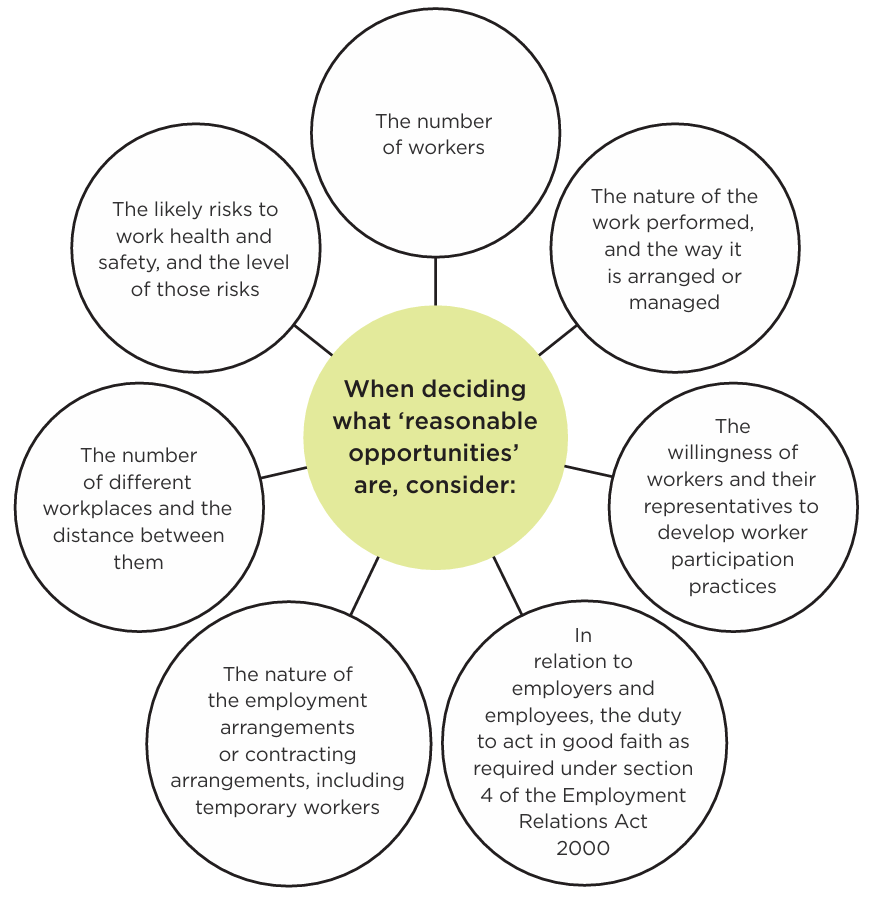
Figure 6 is a radial (hub-and-spoke) diagram. A green circle sits in the centre, reading: "When deciding what 'reasonable opportunities' are, consider:"
Seven outer circles surround the central circle, each connected to it by a line. Going clockwise from the top:
- The number of workers
- The nature of the work performed, and the way it is arranged or managed
- The willingness of workers and their representatives to develop worker participation practices
- In relation to employers and employees, the duty to act in good faith as required under section 4 of the Employment Relations Act 2000
- The nature of the employment arrangements or contracting arrangements, including temporary workers
- The number of different workplaces and the distance between them
- The likely risks to work health and safety, and the level of those risks
End of text alternative.
Appendix 2 includes what PCBUs can look for when considering whether their workers have reasonable opportunities to participate effectively.
Different ways for workers to participate
The law focuses on effectiveness, and what is reasonable, rather than whether any particular worker participation practices or systems are in place.
One size does not fit all. A PCBU and its workers can decide together how workers can participate – workers may prefer particular practices.
It is good practice to use a combination of methods.
Mix open door policies, regular health and safety-focused meetings and other opportunities for regular informal input with more formal approaches that could include HSRs and HSCs.
In workplaces where a PCBU and workers decide together on a range of different ways for workers to have their say about health and safety issues there are likely to be higher levels of worker participation.
See Appendix 5 for participation practices a PCBU could put in place.
Workers can choose to participate directly as well as through representation
Worker participation practices can be direct or through representation (for example, using formal or informal representatives).
Direct participation includes processes that make it easy for workers to communicate with supervisors, managers, or other people who are in charge of how and where work is carried out.
Representation means that workers choose one or more people to speak or act on their behalf. Workers can share questions, concerns and suggestions with HSRs, HSCs, unions or other worker representatives who can then raise issues with the PCBU.
Workers also have a right to get external advice, for example from unions, health and safety advisors, or medical specialists.
4.2 Workers should know that their participation counts
Workers need to know:
- that their voices have been heard
- how and when a PCBU will respond
- how, and what, decisions were made about issues and suggestions raised by workers or their representatives.
Feedback from a PCBU:
- shows how workers' input has been considered
- is ideally shared face-to-face, although email, noticeboards and newsletters can also work
- is evidence of a PCBU's commitment
- may mean explaining why something cannot be done. If workers make a suggestion but hear nothing more they may be frustrated and lose trust in the PCBU.
4.3 Making a decision on a health and safety matter
A PCBU should:
- be clear about the options under consideration
- commit to a time-frame for making the decision
- consider whether the decision will affect workers at a single location or all workers throughout the business or undertaking
- provide workers with all the information they need so that they are well-informed and can contribute to decision-making
- share the final decision with all workers.
If the PCBU's decision differs from what workers requested, the PCBU should:
- show how they considered workers' ideas
- clearly explain why they reached their decision.
4.4 Demonstrating commitment to worker participation
Leadership and commitment from management are essential for effective worker participation. A PCBU can:
- show how cooperating with workers in other areas of the business or undertaking has led to improvements
- demonstrate evidence of the benefits to the business or undertaking and to workers
- role model positive health and safety practices
- identify current health and safety issues which need to be addressed and invite suggestions or arrange a session where everyone can offer and discuss solutions.
4.5 Prohibition of adverse, coercive or misleading conduct against a worker (sections 88–97 of HSWA)
Workers should be able to carry out health and safety-related activities or functions without worrying that there may be negative consequences.
All current or prospective workers are protected from discrimination and dismissal from a PCBU for carrying out safety-related activities or raising health and safety issues or concerns.
Adverse conduct means behaving in a way that discriminates against a worker or other person.
It is an offence under HSWA for a person to engage in adverse conduct for a prohibited health and safety reason. It is also an offence to influence another person to engage in this type of conduct, for example by requesting, encouraging or assisting them to engage in it.
Adverse conduct includes dismissing an employee, forcing a worker to retire or resign, or denying a person a role that is available and that they are qualified to do.
Adverse conduct for a prohibited health and safety reason involves engaging in adverse conduct because a worker or other person is, has been, or intends to be:
- an HSR at a workplace, or a member of an HSC
- involved in resolving a work health and safety issue under HSWA.
Section 89 of HSWA lists further examples of adverse conduct engaged in for prohibited health and safety reasons.
A person who has been affected by adverse conduct may apply to the District Court for an appropriate order (for example, to restrain someone from engaging in adverse conduct). However, an employee who wishes to take action against an employer (or former employer) in respect of adverse conduct for a prohibited health and safety reason will instead need to bring a personal grievance under the Employment Relations Act 2000.
HSWA also prohibits a person from taking or organising (or threatening to take or organise) action that is intended to coerce or induce another person to perform or exercise, or not to perform or exercise, powers or functions under HSWA, or to hold back from seeking or undertaking a HSWA-related role (such as being an HSR).
A person must also not knowingly or recklessly make a false or misleading representation to another about that person's rights or obligations under HSWA, their ability to make a complaint or an inquiry to a person who can seek compliance with the Act (such as the regulator), or their ability to initiate or participate in a process or proceedings under the Act.
See WorkSafe's special guide Introduction to the Health and Safety at Work Act 2015 for further details about adverse, coercive or misleading conduct.
5.0 Worker representation
This section describes what worker representation means.
Key points
- Representation is one form of participation.
- Effective representation can assist a PCBU to meets its duties; representation can be in place along with other engagement and participation practices.
- A worker representative is someone who workers can approach about health and safety who will raise issues with a PCBU on their behalf.
- Health and Safety Representatives (HSRs) and Health and Safety Committees (HSCs) are two well-established methods of representation.
- Workers can also be represented by unions, community or church leaders, lawyers, respected members of ethnic communities, or people working on specific projects.
- A workplace can have HSRs, HSCs, or both – or neither.
- If the workplace has HSRs and/or HSCs, HSWA and the Regulations will apply.
- The interpretive guidelines include detailed information about HSRs and HSCs.
5.1 What is worker representation?
Worker participation can involve representation. Representation means that workers choose one or more people to speak or act on their behalf. If a PCBU uses worker representation to engage with workers and/or for its worker participation practices, it can have other practices too.
Representation can also assist a PCBU to meet its duties – but it might not always be enough to have representation alone. HSRs and HSCs can play an important role in helping a PCBU to meet its duties provided that they are used effectively. A PCBU should be able to demonstrate how its worker engagement, participation and representation practices are effective.
A PCBU who expects workers to engage or participate directly assumes that everyone feels confident speaking up. However some workers may find it hard to bring up issues, for example, temporary workers, contractors, young workers or workers from cultures where challenging authority is considered disrespectful. Representatives can give these workers a voice on health and safety matters.
Not all workplaces will have HSRs or HSCs. The interpretive guidelines describe what should happen next if a worker requests an HSR or HSC.
5.2 Why worker representation is beneficial for a workplace
Worker representation can benefit a business or undertaking in many different ways.
- Representation provides a voice for workers who would not otherwise speak up about health and safety matters.
- HSRs can identify hazards and risks and work with a PCBU to manage risks.
- Representatives provide a link between workers and management.
- Representation helps in situations where it is not practical for a PCBU to talk one-to-one with its entire workforce.
- A representative who is involved in the day-to-day process of a business or undertaking, rather than in management, provides a different perspective on the workplace.
- HSR training ensures that HSRs are knowledgeable about health and safety legislation and aware of the rights and responsibilities of everyone in the workplace.
- Trained HSRs have additional powers that enable them to take action on behalf of their work group.
5.3 What representation can look like
Health and safety representatives (HSRs)
HSRs... are able to make significant contributions to work health and safety because they are in the workplace from day-to-day and understand the nature of the work that is performed by the people whom they represent.14
HSRs are a well-established method of representation.
HSRs can be an effective way:
- to ensure workers can be involved in health and safety
- to improve work health and safety.
Research suggests that HSRs contribute to effective consultation when they are:
- approachable
- confident
- solution-focused
- persistent (even when there is resistance or conflict)
- able to work with other workers to identify and resolve issues
- knowledgeable, or able to find out where and how to find out what they need to know.
To be effective, representatives need resources such as time, information and opportunities to communicate with workers and management.15
Management commitment to health and safety and worker participation is widely recognised as essential for representative worker participation to be effective.16 HSRs require a PCBU that is willing to respect, support and listen to the HSR.
14 Blewett, V. (2015) The role and impact of elected Health and Safety Representatives on Workplace Health and Safety in South Australia. Proceedings 19th Triennial Congress of the IEA, 2015
15 Harris, L-A. (2010) Health and Safety Representatives' Contributions to Occupational Health and Safety: Case Studies from New Zealand's Metal Manufacturing Sector(external link). A thesis presented in partial fulfilment of the requirements for the degree of Master of Business Studies in Human Resource Management. Palmerston North: Massey University.
16 See Biggins and Phillips (1991); Hillage et al (2000); Kochan, Dyer & Lipsky (1977); Leopold & Beaumont (1982); Walters & Gourlay (1990), in Harris (2010), above.
HSRs elected under HSWA
An HSR is a worker who has been elected by the members of their work group to represent them on health and safety matters. Some workers call themselves 'HSRs' but do not meet the legal requirements to be treated as an HSR under HSWA.
An HSR is not expected to know everything about workplace health and safety issues, or to take overall responsibility for health and safety in their workplace.
When HSRs are chosen or requested as a form of worker participation, HSWA and the Regulations outline specific requirements and processes that must take place.
Trained HSRs will have attended and completed training that has been prescribed by or under regulations. Training provides an HSR with the knowledge and skills they need to perform their role more effectively.
Only HSRs who have attended health and safety training prescribed in the Regulations can issue Provisional Improvement Notices (PINs) or direct unsafe work to cease.
The interpretive guidelines have detailed information about the election of HSRs, their powers, functions and limits.
Existing HSRs appointed under the HSE Act 1992
HSRs appointed under the previous Health and Safety in Employment (HSE) Act 1992 can continue in their roles under HSWA. However, they can now represent all workers, not only employees.
HSWA strengthens the HSR role and provides clearer functions and some extended powers.
Only HSRs trained in the new legislation will have access to those extended powers, such as the power to issue a provisional improvement notice (PIN) to address a health and safety problem.
Health and safety committees (HSCs)
Health and safety committees (HSCs) support the ongoing improvement of health and safety across the whole workforce. An HSC can help to develop policies and procedures for work health and safety, make recommendations and carry out other tasks that are agreed between the PCBU and the committee or set down in regulations.
When HSCs are chosen or requested as a form of worker participation, HSWA and the Regulations outline specific requirements and processes that must take place.
The interpretive guidelines provide details about HSC elections, membership, how often HSCs have to meet and what a PCBU has to do to support an HSC. An HSC can come up with its own procedures for organising and conducting meetings.
Benefits of having an HSC
An HSC can draw on workers' practical knowledge of how work is done as well as managers' knowledge about the broader context behind company policies and procedures.
An HSC can be an efficient participation practice in a workplace that has multiple PCBUs with overlapping duties, such a construction site or university campus. Committee members can be drawn from each PCBU. This helps a PCBU who shares responsibility for health and safety with other PCBUs to meet the requirement to consult, cooperate with, and coordinate activities with other PCBUs.
Existing HSCs established under the HSE Act 1992
An HSC established under the previous Health and Safety in Employment (HSE) Act 1992 can continue under HSWA.
Other forms of representation
Unions
Unions can represent workers on health and safety matters. Unions in New Zealand represent workers from a broad range of sectors, industries and occupations.
- Many unions have dedicated health and safety organisers who assist members who have questions or concerns about work health and safety
- In some workplaces, union delegates and organisers advocate and represent members on health and safety issues
- In some workplaces, union delegates and organisers can attend Health and Safety Committee meetings to represent union members.
“Unions exist for workers to support each other so that they don’t have to face a problem, or negotiate improvements to their working conditions, on their own.17”
Workers can decide whether or not they want to join a union and, if so, which one.
Some workplaces have union delegates who work onsite. Union delegates can act as advocates for and negotiators about work health and safety.
Unions can:
- contribute expertise on health and safety matters
- support worker engagement and worker participation.
If a workplace has union members, a PCBU can talk with union delegates about how to involve their members in health and safety. The PCBU can also continue to engage with workers directly about health and safety issues.
The main purpose of HSWA is to ensure the health and safety of workers and workplaces. One way it does this is by encouraging unions (and employer organisations) to take a constructive role in promoting improvements in work health and safety practices, and assisting PCBUs and workers to achieve a healthier and safer working environment.
Union representatives can visit workplaces provided that they have permission from the employer.18 This permission cannot be unreasonably withheld. Both the employer18 and the union must act in good faith.
Other worker representatives
Community or church leaders, lawyers, occupational physicians, nurses, respected members of ethnic communities, or representatives for specific projects can all be worker representatives.
Example
Nick's Cleaning has a high percentage of Filipino workers. Two Filipino elders within the workplace community are chosen by workers as representatives. The elders translate for workers in meetings, raise health and safety issues with the PCBU on behalf of Filipino workers and make sure that workers understand any health and safety messages and other workplace information.
17 http://union.org.nz/rights (external link)
18 The Employment Relations Act refers to an ‘employer’ rather than a PCBU.
Appendices
Appendix 1: Additional health and safety terms
The ‘key terms and concepts’ table at the front of these guidelines covers the main terms and concepts readers need to know when reading these guidelines. Additional common health and safety terms are explained below.
Control measure
A way of eliminating or minimising the risk of harm.
Designated agency
An agency designated to carry out specified health and safety regulatory functions.
Duty holder under HSWA
A duty holder is a person who has a duty under HSWA. There are four duty holders – PCBUs, officers, workers and other persons at a workplace.
Hazard
See 'Risk and hazard' below.
Health monitoring
Looks at whether a worker's health is being harmed because of what they are being exposed to while they are at work.
Notifiable event
When someone dies or when a notifiable incident, illness or injury occurs as a result of work. (See sections 23 and 24 of HSWA.)
Overlapping PCBU duties
When more than one PCBU has health and safety duties in relation to the same matter.
Personal protective equipment (PPE)
- means anything used or worn by a person (including clothing) to minimise risks to the person's health and safety, and
- includes air-supplied respiratory equipment.
Plant
Includes machinery, vehicles, equipment (including PPE), appliances, containers, implements or tools. It also includes any part of these, or anything fitted to these.
Regulator
WorkSafe New Zealand or the relevant designated agency.
Regulatory agency
A regulator (see above), the Civil Aviation Authority, the New Zealand Police, the New Zealand Transport Agency, Maritime New Zealand, the Environmental Protection Authority, a local authority, the New Zealand Fire Service, a medical officer of health, the Ministry of Health, ACC, the Ministry of Business, Innovation and Employment or a prescribed agency.
Risk and hazard
Risk is not defined in HSWA. Risks arise from people being exposed to a hazard (a source of harm). A risk can be described as the likelihood certain consequences (death, injury, or illness) occur when a person is exposed to a hazard.
A hazard is anything that has the potential to cause death, injury or illness. HSWA clarifies that 'hazard' includes behaviour that has the potential to cause death, injury or illness (whether or not that behaviour results from physical or mental fatigue, drugs, alcohol, traumatic shock or another temporary condition that affects behaviour).
A PCBU must eliminate risks that may arise from its work so far as is reasonably practicable. If a risk cannot be eliminated, it must be minimised so far as is reasonably practicable.
Volunteer
A person who does work for an organisation but receives no payment. Volunteers may receive out-of-pocket expenses such as petrol or meals when travelling away from home. Payment beyond out-of-pocket expenses may indicate that person is an employee.
Volunteer association
A group of volunteers working together for one or more community purposes (for example, the promotion of art, culture, science, religion, education, medicine, or for charity, sport and recreation purposes) where none of the volunteers (whether alone or jointly) employs anyone to carry out work for the association. Volunteer associations are not PCBUs.
Workplace monitoring (exposure monitoring)
Measures and evaluates what workers are being exposed to while they are at work (for example, levels of noise or amount of vibration).
Appendix 2: Effective engagement and participation – what ‘good’ looks like
This list shows what a PCBU can look for when considering whether it is engaging well with workers and whether workers have reasonable opportunities to participate effectively. Most businesses or undertakings will not need to do everything on this list.
Commitment and action from PCBU
The PCBU:
- is committed to engaging with workers and their representatives (if the workplace has them) about matters affecting workers' health and safety
- gives workers regular opportunities to consider and report how their health is being affected by their work
- encourages project managers, supervisors and others who control work to ensure workers are given real opportunities to:
- request or suggest improvements to health and safety
- share opinions, views or advice
- ensures project managers build in time for consultation with workers on proposed changes that could impact health and safety
- always lets workers know how it has considered workers' views when decisions are made about work health and safety
- promptly lets workers know about the outcome from raising health and safety issues
- positively reinforces workers' safe practices, for example by noticing when and how workers are working safely and letting them and others know
- teams up with workers to try out, review and update a range of participation practices that are appropriate for everyone.
PCBU awareness and demonstration of its engagement and participation duties
The PCBU:
- knows and understands:
- its duties to engage with workers and to have worker participation practices
- how they should engage with workers
- when they must engage with workers
- a variety of ways for engaging with workers
- has practices that allow workers to participate directly and/or through representation.
PCBU shares all relevant information
The PCBU gives workers and their representatives (if the workplace has them) information on all matters that will or are likely to affect health and safety so that they understand:
- what the risks are in their work
- potential health and safety risks following changes to work practices
- how they can contribute to identifying, eliminating or minimising risks.
PCBU uses a combination of approaches to engagement
The PCBU:
- engages with workers by using a mix of formal and informal approaches
- uses multiple communication channels to share health and safety information
- has worker participation practices that provide many different ways for workers to participate
- knows what methods workers prefer and uses appropriate approaches.
Processes in place
- The PCBU and workers openly and supportively discuss anything that puts health and safety at risk.
- Everyone can influence how health and safety is managed and improved.
- Health and safety is a regular item at team/group meetings.
- The PCBU has processes for:
- regularly updating and communicating health and safety information (for example, noticeboard; intranet)
- capturing and responding to health and safety issues and other matters raised by workers and worker representatives (if the workplace has them) in a timely manner
- handling any potential disagreements between the PCBU and workers or their representatives.
- Key Performance Indicators (KPIs) set targets to ensure meaningful worker engagement has taken place.
- Time is built in for engagement when work is being planned.
- PCBU and workers openly and supportively discuss anything that puts health and safety at risk.
- The business keeps records (such as notes or minutes) about worker engagement.
Worker involvement
Workers can:
- explain how the PCBU engages with them
- describe one or more ongoing participation practices in place at their workplace (for example, toolbox talks, suggestion schemes, Opportunity For Improvement forms, open-door policies)
- identify who their worker representative is (if the workplace has worker representatives in place)
- easily access information about work health and safety matters.
- Workers are encouraged and supported by the PCBU to come up with new or better ways to do things that will make the workplace safer.
- Workers feel confident about approaching the appropriate person about a health and safety issue – and know who to approach.
- Workers regularly raise issues, make suggestions, ask questions and contribute ideas on matters relating to health and safety.
- Workers regularly take action to work more safely.
- Workers understand why health and safety decisions have been made (for example, about changes to the workplace; moving to a different worksite).
- Workers are aware that they can request an HSR or HSC.
Workers contribute to decision-making on health and safety matters
- Workers are consulted with by the PCBU at appropriate stages (for example, before new technology or equipment is chosen/introduced).
- Workers' views are sought by the PCBU on how changes to work or working conditions might affect workers' health and safety.
- Workers' views about health and safety matters are heard business-wide, not just at the local level (for multi-site businesses or undertakings).
Awareness and recognition of role of HSRs (if chosen as a participation practice)
- Workers know who the elected HSRs are (if the workplace has them).
- Workers understand the HSRs' role and responsibilities.
- HSRs are empowered to act – their functions and powers are recognised throughout the workplace.
- Performing the role of an HSR is seen as part of an HSR's overall job once they have been elected.
- The PCBU recognises the HSR's role by recording it in the HSR's job description, work objectives or performance agreement for the year.
- The HSR has adequate time to carry out their role as part of their paid work.
- The HSR gets the training they need.
- The PCBU is aware of – and acknowledges – the contribution the HSR makes to the workplace.
- HSRs are involved in inspections, investigations, and risk assessments.
- There are always workers willing to be nominated for (re)election as an HSR.
Health and Safety Committee (if chosen as a participation practice)
- HSC meets regularly.
- All workers have representation on the HSC (see workforce diversity, below).
- HSC is involved in developing standards, rules, policies and procedures for improving work health and safety outcomes.
- HSC recommendations are given due consideration by the PCBU.
- Workers know who their representatives are on the HSC.
Time, resources and facilities
- Worker representatives have adequate time, resources, and facilities to carry out their roles.
- Workers have enough time to have a say and participate before a decision has to be made about a work health and safety matter.
Results are tracked and visible
- The PCBU can describe changes made as a direct result of worker participation (for example, equipment purchased or adapted; practices changed).
- Workers can describe changes made as a direct result of worker participation (for example, equipment purchased or adapted; practices changed).
- Workers are kept informed about the outcome of engagement – they know what will happen next and why.
PCBU acknowledges and responds to workforce diversity
- All work areas and workers are included/represented in worker participation processes.
- The PCBU takes into account the needs of different groups when engaging with workers. For example:
- developing worker-specific resources, processes and procedures
- ensuring that worker participation practices include shift workers and remote workers
- using practices that reflect workers' needs and preferences
- respecting and being sensitive to workers' cultural values and beliefs.
- The PCBU has processes for engaging with vulnerable workers such as:
- young workers
- disabled workers
- workers who speak languages other than English
- migrant workers
- inexperienced workers
- workers who are vulnerable because of their conditions of employment (such as temporary or seasonal workers)
- workers who are at greater risk of poor health and safety outcomes, including Māori and Pacific workers, and workers who are new to the job
- workers who have difficulty reading and writing.
If multiple PCBUs at one workplace
- If there are two or more PCBUs with workers at the same workplace, worker participation practices span multiple PCBUs.
- All workers have opportunities to be equally involved in health and safety at this workplace, no matter which PCBU they work for.
- Adequate documentation (for example, notes or meeting minutes) shows how multiple PCBUs have consulted, cooperated and coordinated with each other on worker engagement and participation practices.
Appendix 3: Where to go for help
WorkSafe encourages PCBUs and workers to attempt to resolve work health and safety issues themselves before involving the regulator.
Help from the regulator to resolve a work health and safety issue
WorkSafe is the work health and safety regulator.
If parties are having difficulty resolving a work health and safety issue themselves, the PCBU, HSR, or worker can request WorkSafe to appoint an inspector to assist with the resolution of the issue
Other work health and safety regulators
Other government agencies (called designated agencies) can be designated to carry out health and safety regulatory functions for certain work (for example, Maritime New Zealand for work aboard ships, the Civil Aviation Authority for aircraft in operation).
WorkSafe
Browse our website for further information about worker engagement, participation and representation, HSWA, and health and safety in the workplace.
WorkSafe runs a Contact Centre that answers general questions about health and safety issues. The Contact Centre operates during business hours and can be reached on 0800 030 040.
The Contact Centre may help by providing information, sharing guidance material, or referring a query to someone else who can help.
Employers' Associations
Employers' Associations represent local business communities. They can advocate, both locally and nationally, on issues of concern to members. Many offer a range of professional development training programmes, special interest groups, services (including employment law, human resource and health and safety expertise), specialist business information and support, courses, workshops and qualifications.
Unions
Unions can represent workers on health and safety matters. They can also provide advice and training on employment matters. Unions in New Zealand represent workers from a broad range of sectors, industries and occupations. The New Zealand Council of Trade Unions(external link) maintains a database of unions for many occupations and industries.
Appendix 4: Potential barriers to engagement
Here are some potential barriers to engagement and what to consider for each one.
Health and safety not seen as a priority
- If there is a health and safety plan, is it referred to only occasionally, or shut away where no one can find it?
- Are health and safety meetings held at times that make it hard for people to attend?
- Is there a tension between commercial interests and safety interests? (For example, are mixed messages sent about safety when there is a deadline or pressure to complete a task?)
- Do workloads not allow enough time to comply with health and safety requirements?
Poor workplace culture
- Are workers afraid that something bad will happen if they speak up?
- Do people get blamed if something goes wrong?
- Do workplace leaders focus on what is not done well, rather than recognising and rewarding 'good' health and safety practices?
- Is the workplace culture 'rule-based'? (If so, how might you be more flexible, without compromising health and safety?)
- Do workers feel that their concerns will not be listened to or taken seriously?
- Are managers and supervisors reluctant to commit to improving work health and safety?
- Do managers overlook unsafe acts or conditions?
- Are there people in the workplace who do not trust and respect each other?
Lack of knowledge and information
- Do people have too little knowledge or education about health and safety matters?
Resistance to change
- Are some people 'set in their ways' and reluctant to change how they work?
Too much 'paperwork'
- Is there excessive health and safety paperwork?
- Are forms and systems hard to use and/or hard to understand?
- Is there jargon (specialised or technical language) in paperwork such as Job Safety Analysis forms?
- Are there no alternative ways for workers who have difficulty writing or speaking to share information about health and safety matters?
Not knowing how to communicate effectively and appropriately across cultures
- Is there a lack of awareness and understanding of other cultures in the workplace? For example, the same gestures or body language (including eye contact) may have different meanings in different cultures.
- Is information about health and safety matters communicated using words and terms that people from other cultures may not understand?
- Does the PCBU always engage with workers the same way, without considering how including practices from other cultures might encourage more workers to take part?
Appendix 5: Participation practices a PCBU could put in place
A PCBU could put these participation practices in place. It may also be a good idea to consider setting up a worker participation agreement.
A worker participation agreement is a written joint agreement between workers, unions (where applicable) and management. It can be modified to meet specific needs. A worker participation agreement creates clarity and commitment.
| Participation method | Description | Benefits | To do this well, a PCBU could... |
|---|---|---|---|
| Health and safety as a routine agenda item |
All meetings have a health and safety item on the agenda. |
Keeps health and safety in people's minds. A permanent health and safety spot on the agenda means it is more likely that issues will be raised. Ensures health and safety is 'part of what we do'. Sends clear message that the business or undertaking is committed to health and safety. |
Prepare prompts to encourage people to speak up. Encourage workers to provide agenda items. Raise awareness that health and safety items on the agenda could cover a range of topics. If a PCBU is addressing worker health protection satisfactorily, over time they might take a broader approach to worker health. For example, by including agenda items that promote the general health and wellbeing of workers (such as encouraging physical activity). Invite guest speakers to team meetings (for example, an occupational health nurse; a hearing specialist). |
| Health and Safety Committee (HSC) |
A committee set up to support the ongoing improvement of work health and safety. |
Ensures regular planned and structured discussions about health and safety. Encourages a cooperative approach to health and safety. Can deal with issue/s across sites. Committee members gain valuable skills. |
Allow time for the HSC to meet more often than the minimum required by regulations. Encourage the HSC to develop ground rules and use decision-making techniques to ensure that meetings are focused. |
| Health and Safety Representative (HSR) |
A worker elected by a work group to represent them in a variety of health and safety matters. |
Represents and can sound out workers. Provides workers with a voice on health and safety matters. HSRs gain valuable skills and knowledge, including through training. HSRs are a well-established method of representation. Some HSRs who gain confidence advance to team leader positions or other positions of responsibility. |
Address any barriers that might make people reluctant to be an HSR. Make sure that everyone knows what an HSR's role involves – as well as what they are not expected to do. |
| Interactive intranet site (private organisation-only website) |
An interactive intranet site allows all workers to connect, communicate and collaborate with each other. For example, by asking other workers for their opinions and expertise. |
All workers can take part even if based at different sites. PCBU can use multiple channels to engage with workers (for example, forums, blogs, online forms, collaboration tools, eNewsletters). |
Ensure that all workers have access to the intranet. Develop an organisational culture that is open to different ways of communicating, including through technology such as the intranet. Have an intranet platform that is easy to use. Offer workers training so that they can use the intranet effectively. Ensure intranet content is also shared in other ways with workers with low literacy skills. Get someone to regularly update intranet content. |
| One-to-one discussion |
Manager speaks with workers one-to-one. |
Manager hears from individual workers. |
Give workers time to prepare for a one-to-one discussion. Recognise that some workers may prefer to raise issues in a group setting. |
| 'Opportunity for Improvement' (OFI) form |
An OFI form typically asks for information about:
|
An OFI form is an effective way for a worker to raise an issue and to suggest possible solutions. Managers can talk with workers using information on the form as a starting point. Information on the form can be entered into a database. OFI forms (whether paper, or electronic) can be kept in vehicles, site offices, yards and mobile worksites throughout the company. This makes it easy for all workers to fill one out when they notice something that could or should be improved. |
Offer support for workers who do not read and write well, and for anyone else who might find it difficult to fill out the form. Design a simple form that is quick and easy to complete when things pop up that need attention. Check that a manager regularly reviews the forms submitted and then follows up. Make sure that workers are given feedback on their ideas (even if something cannot be done or has to be put off until later). |
| Pre-start document; job safety analysis |
A document that records what has been done and what is planned. |
Enables participation before a job starts as workers contribute to creating the document. Makes it clear who is responsible for implementing, checking, and reviewing control measures. Participation is documented: workers have input into the document and then confirm that they have read, understood and agreed to the procedure and controls. Good record-keeping can save time and money. |
Set aside enough time to consider the task involved and the safest way to complete it. Prepare the best possible document – it does not need to be long. Be open to workers' ideas for better and safer ways of completing a task. |
| Quality circle; solution-focused group |
Team of workers and managers who meet to identify and solve specific work health and safety matters. Group members should be directly involved with the issues being addressed. |
Opportunity for everyone to be involved. Encourages cooperative problem-solving. Can focus on solving a specific issue. Do not need to meet regularly. No long-term commitment to attend meetings. |
Show that there is commitment from managers. Try to be proactive rather than reactive. Have a clear agenda so that gatherings are effective. Recognise that the success rate may be variable. |
| Sub-contractor meeting |
Meeting with all sub-contractors on a project or site. |
Can address issue/s affecting a particular group of workers (for example, all plumbers). Ensures that there are common and consistent approaches to health and safety. |
Try to get everybody together at the same time, if possible. |
| Suggestion scheme |
Noticeboard, suggestion box, web page, 'Bright Ideas' form, (see Opportunity For Improvement form, above) email link or other way for workers to offer suggestions and solutions. |
Most effective if suggestions are regularly reviewed and acted upon. A PCBU can:
Provides evidence of worker participation. Shows that a PCBU is responsive. Could lead to health and safety gains, savings, increased revenue. Workers can offer suggestions anonymously. |
Commit time to review and respond to all suggestions. Make sure that there is a strong feedback cycle between the PCBU and workers. |
| Survey |
Method for gathering information. May be run by phone, online, via pen and paper, face-to-face. |
Can:
If an external organisation – such as a union or market research company – runs the survey, workers may feel they can say what they really think. |
Check that the survey is well-designed so that it will get meaningful information. Include only questions that are easy to understand and answer. Offer support to workers who might need help to complete the survey (for example, workers with low literacy or workers who do not speak or write English). Accept that not everyone will choose to take part. Allow enough time to analyse responses. Make it clear to people whether answers will be anonymous (there is no way for the answers to be traced to the person who provided them) or confidential (the research team knows who provided the information but must make every effort to prevent anyone else knowing who said what). |
| Toolbox talk |
Informal short health or safety focused discussion – usually covering a single topic. Potential topics include:
Can be held daily, weekly, fortnightly or monthly – how often will depend on the size, nature and location of the workplace. |
Regular briefings by supervisors to all workers help to encourage a positive workplace culture. PCBU can share information with workers, and workers can have a say about hazards and controls, incidents and accidents, work processes and company procedures. Managers and workers can work together to come up with solutions. Can be face-to-face or via conference call. Topics can be shared via text with onsite supervisors. |
Keep toolbox talks short and focused. Be prepared – some people may need more explanation than others. Think about how key messages could also be reinforced in other ways. Encourage workers to suggest topics. Offer training and support to people who lead toolbox talks. This can help them to explain things clearly, encourage questions, and get good discussions going. |
| Whole team/whole workforce discussion |
All workers invited to contribute to discussions about health and safety topics such as:
|
Signals that everyone should be involved in health and safety. Good for discussing issue/s affecting all workers on site. Can share important information with all workers at the same time. |
Be aware that quieter people may be less likely to speak up – think about how to encourage them to take part. Stay alert and make sure that assertive people are not dominating discussions. Offer small group or one-to-one discussions to workers who may not feel safe talking in a large group. Consider whether work should stop while the discussion takes place. If some people cannot attend, find ways to tell them later what happened. Offer facilitation skills training to people who run discussions – successful discussions are well-run. |
| Workplace walkabout |
Manager/s catch up with workers during walks around the workplace. |
Workers are more likely to share ideas and bring up any health and safety concerns with managers who are available and approachable. Managers can invite Health and Safety Representatives, Health and Safety Committee members and/or union delegates to join the walk. Workers can point out equipment or environment causing concern. |
Consider whether and how a walkabout could interrupt the workflow – and how to make it less of an interruption. Let workers know when the walkabout will happen so:
|
| Worksite meeting |
Meeting held on worksite to discuss health and safety issue/s. |
Everyone can be involved. Opportunity to discuss issue/s affecting all workers on site. |
Consider whether work has to stop while the meeting takes place. If some people cannot attend, find ways to tell them later what happened. |
Acknowledgements
WorkSafe New Zealand would like to acknowledge and thank the stakeholders who have contributed to the development of these guidelines.
Some material in these guidelines has been adapted from other resources. Particular acknowledgement is due to the New Zealand Ministry of Business, Innovation and Employment (MBIE), Safe Work Australia, the Health and Safety Executive (HSE, UK) and the European Agency for Safety and Health at Work (EU-OSHA) for their assistance.
Last updated